George Town Cayman Islands is the place most visitors on Grand Cayman pass through at least once whether you arrived on a cruise tender or you are staying elsewhere on the island and came in for shopping dining or a boat trip. As the capital it concentrates banks government offices museums and the busiest waterfront in the country. For travelers already on Grand Cayman the town is also a convenient launch point for snorkeling and diving excursions that can fit neatly around a cruise-day schedule when you plan with realistic time buffers and an eye on sea conditions.
Introduction to George Town and the cruise port
George Town is Grand Cayman’s capital and the island’s main commercial hub so the streets closest to the harbor feel energetic on ship days with a steady flow between the waterfront and the shopping lanes behind it. It is also a major cruise tender port which means most ships anchor offshore and passengers come in by tender to the harbor area near the central waterfront. That tender setup shapes the day: arrival times can shift slightly with wind and sea state and the return line can build as departure approaches. On land you will find a compact downtown that is easy to navigate on foot with clear sightlines back to the water which helps you keep your bearings. The immediate port zone is oriented around duty-free shopping local craft stores casual cafés and tour meeting points with museums and historic corners a short walk inland.
Practical guide to town exploration and water activities
Exploring George Town on foot is straightforward because the core sights sit close together and the harbor is a constant reference point. From the tender drop-off area you can reach the main shopping streets within about 5–10 minutes at a relaxed pace and you will pass along the waterfront where many boat tours check in. If you want culture and context the Cayman Islands National Museum is typically around a 10–15 minute walk from the busiest tender area depending on where you start and it is an easy anchor for a short town loop. From there it is simple to continue along the waterfront for photos of the harbor and then cut back inland for lunch. When the midday sun is strong many visitors prefer to do their walking either early or later in the afternoon and use the hottest hours for a water activity or a shaded museum stop.
For a comfortable town route that keeps you close to landmarks start by strolling the waterfront promenade to orient yourself then head one or two blocks inland to browse shops and pick a lunch spot and then return toward the museum and the harbor. You will notice that the streets closest to the water are the busiest while the feel becomes quieter as you move inland. If you are meeting a tour confirm the exact meeting location because several pickup points sit within a small area and it is easy to assume they are interchangeable. A simple way to stay on schedule is to note one fixed landmark near your meeting point such as the museum or a prominent waterfront building and plan to be back in that area earlier than you think you need.
On the water side George Town is a convenient base for snorkel trips and for the classic Stingray City experience which usually takes place in the North Sound and is reached by boat. Snorkeling excursions commonly combine a shallow reef stop with a sandbar stop and are popular with mixed groups because the water is typically calm in protected areas. Stingray City etiquette matters both for safety and for the animals: follow the guide’s briefing keep your movements slow avoid chasing rays and do not stand on coral or stir up the bottom where visibility can drop quickly. Timing is especially important on cruise days because tender return windows are fixed by your ship. Choose an excursion with a clear return time and allow extra margin for the ride back into George Town if the harbor is busy or the sea state slows the tender process. Red Sail Sports is one of the established providers often mentioned by visitors for organized water trips and clear scheduling which can be helpful when your time ashore is limited.
Planning and logistics for your cruise-day
A well-paced half day in George Town can blend a morning on the water with an afternoon in town without feeling rushed as long as you respect the clock and the tender lines. Many travelers prefer to schedule snorkeling or diving earlier because winds can build later and because finishing your water time first leaves the rest of the day flexible. A sample rhythm is to arrive on the first tenders then head directly to your boat departure point and return to the waterfront by late morning. After a quick rinse and change you can spend early afternoon walking the shopping streets visiting the Cayman Islands National Museum and sitting down for a relaxed lunch before returning to the tender area with plenty of time to spare. This approach also reduces the chance that you are trying to dry off and navigate crowds close to ship departure.
Transportation in George Town is simple but it can be slow at peak times. Taxis gather near the port area and are the fastest option for point-to-point rides especially if you are traveling with a group and want to keep your schedule tight. Public buses are budget friendly but they run on routes and timing that may not align with a cruise-day window. If your plan includes Seven Mile Beach later in the day it is usually best to take a taxi rather than relying on a long walk in the heat. For any water excursion build in a buffer for weather and harbor delays because tendering depends on sea conditions and boat departures can shift slightly. Aim to be back in the George Town waterfront zone well before the last tender time rather than planning to arrive at the cutoff. If you are diving remember that conservative planning includes time for gear handling and a calm return to shore so you are not hurrying at the end of the trip.
- Confirm the latest all-aboard time and the ship’s recommended tender return window then plan to be back earlier.
- Keep your tour meeting point and contact details saved offline in case mobile service is slow near the harbor.
- Allow extra time for changing and rinsing after water activities so you are comfortable in town.
- If conditions look unsettled choose a shorter excursion with a reliable return time rather than stacking multiple long stops.
Advanced insights for diving and snorkeling in George Town Cayman Islands
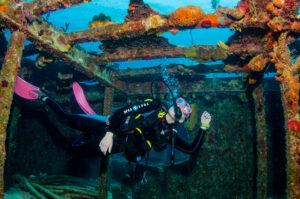
Diving and snorkeling around George Town Cayman Islands can be excellent but conditions vary by site and by season and it helps to understand what is typical. Many dive sites on Grand Cayman feature reef structures that start shallow and then drop into deeper water so depth profiles can be tailored to experience level. Certified divers often encounter depths in the 40–60 foot range on the first portion of a dive with deeper sections available for those trained and comfortable while snorkel stops focus on shallow reefs where light and color are strongest. Visibility is often very good in Grand Cayman and it is common to have clear water that supports wide-angle views though it can reduce after heavy rain or strong winds that stir up sediment. Currents are usually manageable but can be present around points and channel areas so briefings often include an emphasis on staying with the group and using calm controlled finning rather than fighting the water.
Boating logistics matter because George Town’s harbor area is busy and departure points can vary between waterfront docks and nearby marinas depending on the trip type and the day’s conditions. Your departure location affects how early you need to leave the tender area and how you should plan your return. Seasonal visibility changes are most noticeable when wind patterns shift and when swell wraps around the island which can lead captains to choose more protected sites for comfort and clarity. If you are a certified diver bring proof of certification because it is normally required for standard boat dives and be ready to discuss recent dive experience so the crew can match you to appropriate sites. If you are not certified many visitors still enjoy introductory experiences in controlled conditions when available but these are structured differently and may have additional time requirements for training and supervision. For snorkelers strong sun and reflective glare are often the bigger challenge than the water itself so a good mask fit and a calm entry technique do more for enjoyment than trying to cover a lot of distance at once.
Frequently asked questions
Is George Town safe to walk around for cruise visitors?
George Town is generally considered safe for cruise visitors and it is common to see families and independent travelers walking between the waterfront shops restaurants and the Cayman Islands National Museum. As in any busy port area it is sensible to keep valuables secure stay aware in crowds and avoid leaving bags unattended while you browse. The streets closest to the harbor are active on ship days and that activity can feel reassuring though it also means you should watch for traffic at crossings and be patient with congestion near taxi areas. If you plan to explore farther inland do so in daylight and keep your route simple.
How far is it from the cruise pier to Seven Mile Beach in Grand Cayman and can I walk there?
Seven Mile Beach is several miles from the George Town cruise tender area and while it is technically possible to walk parts of the way it is not a comfortable choice for most travelers because of heat humidity and the time it consumes on a port day. The more practical approach is to take a taxi which is widely available near the waterfront and can get you there efficiently so you still have time to enjoy the beach and return without stress. If you want a short walk instead focus on the George Town waterfront and nearby streets which deliver plenty of scenery shopping and dining close to the tender area.
Do I need to be a certified diver to participate in scuba trips from George Town?
For standard scuba boat dives departing from the George Town area you typically need an open water certification or higher and you should bring proof of certification to check in. Dive providers also commonly ask about your recent dive activity so they can recommend suitable sites and ensure the pace of the trip matches the group. If you are not certified some providers offer introductory scuba experiences in controlled settings with additional instruction and close supervision but these are not the same as joining a regular two-tank dive. If you are unsure which option fits your background contact the provider in advance to confirm requirements and timing.
How long do snorkel and dive excursions typically take and will I return before my ship’s departure?
Many snorkel excursions from George Town are designed to fit cruise schedules and often run roughly 2.5–4 hours from check-in to return depending on the number of stops and the distance traveled. Certified scuba trips commonly take longer especially for two dives because they include setup briefings surface intervals and careful returns to the dock which can put the total closer to 4–5 hours. Returning before departure is usually realistic when you choose an excursion with a clearly stated end time and you build in extra margin for tender lines and weather. Plan to be back in the waterfront zone well before the last tender time rather than aiming for the cutoff.
What should I know about Stingray City timing and etiquette on a cruise day?
Stingray City trips are popular and can fill quickly on ship days so it helps to choose an early departure that leaves room for delays and still gives you time in George Town afterward. The experience is typically in shallow water and guides will explain how to interact respectfully which usually means moving slowly keeping hands low and following instructions about where to stand so rays can approach without being crowded. Avoid chasing or grabbing and be mindful of stirring up sand because it reduces visibility for everyone. On a cruise day confirm the expected return time before you leave the dock and remember that tendering can take longer if wind increases later in the afternoon.