7 mile beach cayman islands visitor tips for access activities and what to expect: Seven Mile Beach is the signature shoreline on Grand Cayman for soft sand, calm turquoise water and an easy mix of resort comfort and public access. If you are already on island and planning your first visit, it helps to know where the public entry points are, what the water is typically like and how the beach changes from one stretch to the next. This guide focuses on what you will actually encounter on arrival, how to time your visit around crowds and sun and how to choose the right spot for swimming, a relaxed walk or a simple snorkel.
Introduction
Seven Mile Beach on Grand Cayman is often described as a single long ribbon of white sand but in practice it feels like several connected beach “neighborhoods” with different energy levels. Some areas sit directly in front of large hotels with loungers and watersports nearby while other sections are quieter and more open with a more local feel. For travelers already in Grand Cayman, the biggest wins come from choosing the right access point, arriving at a time when the light and sea conditions are at their best and understanding where the easiest water entry is on the day. You will also want to plan for shade, restrooms and a simple meal nearby so you can stay longer without needing to reset your day.
What to expect at 7 mile beach cayman islands
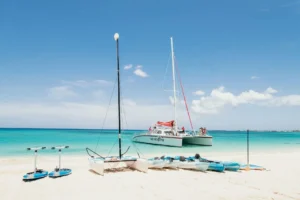
Seven Mile Beach is known for bright sand and clear water that stays inviting for most of the year. The shoreline is generally wide and walkable, with plenty of space to spread out even when the island is busy. Conditions can vary with wind direction and seasonal swell, so the same spot may feel glassy and calm one day and lightly choppy the next. The beach is also a living coastline, and after weather events you may notice small changes in sand width or the shape of the waterline. Those changes are normal for an exposed west-facing beach and do not usually affect a typical swim-and-relax visit.
Beach length and name clarification
The name can be confusing: Seven Mile Beach is not precisely seven miles long. Depending on where you start measuring and how the shoreline is traced, you will commonly see estimates around 5.5 miles to about 6.3 miles. The “seven” is largely a traditional name that stuck over time rather than a modern surveyed distance you can count on. For visitors, the practical takeaway is that it is still long enough for a satisfying point-to-point walk, but the experience is more about choosing a convenient section than trying to “do the whole thing” in one go, especially in midday heat.
Shoreline and water conditions
The sand is typically fine and pale, with a gentle slope into the sea in many areas. Water clarity is often excellent, especially on calmer mornings, and you can usually see the bottom in the shallows. Depth increases gradually, which is one reason the beach is popular for casual swimming. Surface conditions shift with wind: when breezes pick up, you may notice small wind waves and a bit more suspended sand near shore. The west coast is generally more protected than the east side of Grand Cayman, but after fronts or stronger weather the water can look more textured and visibility can drop temporarily.
Access, facilities and activities
Access along Seven Mile Beach is a blend of public corridors and hotel-front sections. Even where resorts line the shore, there are established public entry points that make it straightforward to visit without staying on the sand. Facilities are not uniform, so your comfort level will depend on where you enter. Some access points have nearby restrooms and shade while others are more basic and best for a shorter stop. If you plan to spend a full beach day, it is worth choosing an entry that places you close to amenities and a casual place to grab water or lunch without leaving the area.
Key access points and amenities
Popular public access is available near the main Seven Mile Beach corridor, including the well-known public beach area around Governors Beach. This stretch is valued for easy entry, a wide sandy zone and a generally relaxed vibe. Parking is typically along nearby roads or in small lots depending on the access point, and availability can tighten during peak season and on busy weekends. Restrooms and shaded areas are most reliable near the larger public beach zones, while smaller access paths may offer little more than a way onto the sand. If you are arriving midday, plan for limited shade and bring sun protection.
- Governors Beach area for a broad sandy section and straightforward public access
- Central corridor access points for proximity to cafés and hotel-area services
- Quieter northern stretches for a calmer feel when the central beach is busy
Water and shoreline activities
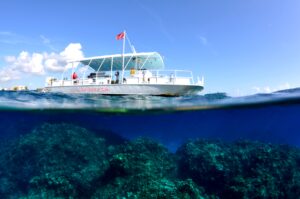
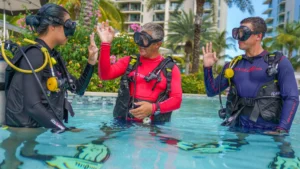
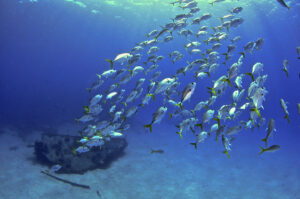
Swimming is the primary draw, and most visitors find the entry comfortable with a sandy bottom and manageable depth progression. For beginner snorkelers, expectations matter: Seven Mile Beach is not a dense reef environment right off the sand, but you can still spot small fish and occasional rays in clearer conditions, especially near natural structure. For more consistent snorkeling and diving, many people choose a boat trip to nearby sites rather than relying on nearshore conditions. If you are planning a dive day, departures are typically arranged from marinas or designated pickup points, with check-in handled in advance and travel time built in. Red Sail Sports is one of the recognizable names for organized water activities and can be a convenient option when you want a set schedule and clear meeting details.
Advanced tips and practical insights
Small details can make Seven Mile Beach feel dramatically better, especially during busy travel weeks. Mornings often bring calmer seas and clearer water, which helps both swimming comfort and nearshore visibility. Late afternoon can be excellent for a cooler walk and softer light, but breezes sometimes increase later in the day, adding surface texture. Currents are usually mild along the main beach, yet they can strengthen around weather changes and near any areas with more pronounced wave action. If you are swimming out from shore, stay aware of how quickly you drift and keep a visual reference point on land.
Crowds tend to concentrate near the most convenient public areas and in front of major hotels. If you want more space, walk a bit farther along the sand after you arrive rather than leaving to find a different beach. During peak season, arriving earlier helps with parking and gives you first pick of calmer water. For those pairing the beach with a visit to Stingray City, follow respectful stingray etiquette: avoid chasing or lifting animals, keep movements slow and allow guides to manage any feeding protocols so rays are not stressed. On days when wind is up, consider shifting your focus to a long shoreline walk and reserving snorkeling for a boat trip with better-protected conditions and clearer visibility.
Frequently asked questions
How long is Seven Mile Beach really?
Despite the name, Seven Mile Beach is not exactly seven miles long. Most visitor resources describe it as roughly 5.5 miles, while some measurements come closer to about 6.3 miles depending on where the shoreline is traced and which endpoints are used. The name is a long-standing tradition rather than a precise distance marker. For planning, it is best to treat it as a long, continuous beach with multiple access points and different “zones” rather than a fixed mileage goal you need to cover in one outing.
Is Seven Mile Beach suitable for beginner snorkelers?
Yes, it can be suitable for beginner snorkelers when conditions are calm, mainly because the water is often clear and the entry is generally easy with a sandy bottom. That said, it is not a classic shore-reef snorkel in many spots, so the marine life close to the sand can be more limited than at dedicated reef sites. Beginners should stay in shallow water, avoid days with choppy surface conditions and keep an eye on drift. For more reliable visibility and variety, a short boat snorkel trip is often a better match.
Where are the main public access points along Seven Mile Beach?
The most commonly used public access is around the Governors Beach area, which is well known for a wide sandy stretch and straightforward entry. Additional access points exist along the main Seven Mile Beach road corridor, sometimes as signed pathways or small public corridors between properties. Amenities vary by location, so if you want restrooms and shade, aim for the larger public beach zones rather than the smallest access paths. Parking is usually nearby but can fill quickly during peak season, so arriving earlier helps.
What is the best time of day to visit Seven Mile Beach?
Morning is often the best time if you want calmer water, clearer visibility and easier parking. The light is bright, the sand is cooler underfoot and the sea surface is frequently smoother before afternoon breezes build. Late afternoon is also a strong choice for a more comfortable temperature and a scenic walk as the sun lowers, though wind can sometimes add chop. Midday can still be enjoyable, but it tends to feel hotter and busier, and shade can be limited unless you are near facilities or prepared with sun protection.
Are there calmer stretches of Seven Mile Beach during peak season?
Yes. Even when Grand Cayman is busy, the beach’s length allows you to find quieter space by walking away from the most concentrated public areas and the busiest hotel-front sections. Crowds typically cluster where access is easiest and where amenities are closest. If you enter near a popular public zone, give yourself time to stroll 10 to 20 minutes along the shoreline to spread out. Choosing earlier arrival times also reduces the sense of congestion, and calmer water in the morning can make the entire beach feel more relaxed.