If you’re in Aruba and planning a Caribbean hop to Grand Cayman, understanding the options among cayman islands beaches will help maximize your shore time. Whether you arrive by regional flight or as part of a cruise itinerary, this guide outlines the coastal diversity and practical considerations that will shape your day by the sea. From the iconic stretch of Seven Mile Beach to quieter coves favored by snorkelers, the information here clarifies access rules, facilities, and conditions. Travelers who move quickly from Aruba to Cayman won’t waste moments figuring out parking or public entry. Use this overview to decide which shores best fit your interest, whether you seek soft white sand or productive snorkeling along rocky outcrops.
Planning your visit to cayman islands beaches
When arranging a visit to the cayman islands beaches, consider your travel timing, interests, and budget. Most beaches in the Cayman Islands are public and free to access, but signage for entry points can be subtle along coastal roads. If your schedule allows, allocate half a day for Seven Mile Beach, where resorts line the shoreline and amenities are abundant. For a more immersive local experience, plan a morning stop at Governor’s Beach or Public Beach, both offering basic shade shelters and nearby restrooms. In the afternoon, drive east to Cemetery Beach, where fewer crowds and straightforward parking simplify stops between snorkeling sessions and photo opportunities. Timing around midday heat and potential cruise ship arrivals will influence crowd sizes. Reserving a rental car in advance or setting up a taxi pickup from your Aruba departure point ensures timely transfers and more flexibility in selecting coves and bays at your own pace.
Grand Cayman beaches by region
Grand Cayman’s coastline is often grouped into easily navigable regions. West Bay features Seven Mile Beach as its centerpiece, flanked by resort properties with beach chairs typically reserved for guests. Moving south along the ironshore, South Shore beaches like Smith’s Cove offer rocky inlets with clear waters and brief swim-over reefs that attract snorkelers hunting for marine life. If you want to spot sea turtles without venturing offshore, Spotts Beach on the South Shore adds low-key access and simple parking, though ease of entry requires water shoes due to coarser sand and occasional limestone fragments. East End and North Side deliver a more rugged atmosphere, with fewer facilities but excellent conditions for experienced swimmers seeking calmer waters on leeward days. Rum Point on the North Sound side provides a gentle entry, palm-shaded hammocks, and food vendors, making it a convenient day trip option if you want a relaxed beach environment beyond the busier Grand Cayman west coast.
Access, parking, and safety considerations
All beaches in the Cayman Islands are legally public, but practical entry often depends on marked paths between private properties or resort boundaries. Look for small signs reading “Public Beach Access” off the main coastal road, and be ready to walk 50 to 200 feet over sand from the roadside. Parking tends to fill quickly at popular spots like Smith’s Cove around midday, so aim for earlier visits or plan visits on non-cruise days when possible. There are no lifeguards on most shores, so swimming and snorkeling are at your own risk; always check wind conditions, especially if crossing reef channels. Bring reef-safe sunscreen and a reusable water bottle to stay hydrated under tropical sun. Modest changing areas and portable restrooms are available at some beaches, but food and shade can be limited—packing a light snack and a beach umbrella will keep your visit comfortable as you explore Cayman’s varied coastal stretches.
Cayman islands beaches make it easy to build memorable beach days without long drives or complicated planning. From the wide sweep of Seven Mile Beach to small coves on the South Shore and quieter stretches toward the East End and North Side, Grand Cayman offers a mix of soft sand, ironshore and shallow lagoons that suit different moods and sea conditions. The key is matching the beach to what you want that day: calm swimming, easy snorkeling, shade and facilities or a more local feel with fewer people.
This guide focuses on practical choices for travelers already on Grand Cayman, including how public access works, what to expect from different coasts and how to combine beaches into a smooth day out. Conditions can change with wind and swell, so it helps to think of the island as a loop where one side may be calmer than another at any given time.
Why Cayman islands beaches feel different from one coast to another
Grand Cayman’s shape and prevailing winds create distinct beach experiences within a short distance. The west side, including Seven Mile Beach and nearby West Bay, is often the most sheltered, which is why the water there can look especially glassy and inviting. The South Shore mixes pocket beaches and ironshore, so you may find a calm cove next to a rocky stretch where waves break more directly. The East End and North Side tend to feel more open to the elements, which can mean stronger surf on some days and a more rugged shoreline overall. That variety is part of the appeal, but it also means the “best” beach depends on conditions and what you plan to do in the water.
It also helps to understand access and etiquette. Beaches in the Cayman Islands are public, and you can walk along the shoreline up to the high water line. What can be confusing is that the land behind the beach may be privately owned, so you should use marked public access paths and avoid crossing landscaped resort areas to reach the sand. On Seven Mile Beach, you will see long uninterrupted stretches where access points are spaced out, and while you can pass in front of resorts at the waterline, loungers and certain amenities are reserved for guests. Planning around access points and facilities keeps the day relaxed and respectful.
How to choose Cayman islands beaches for your day on Grand Cayman
Start with the experience you want, then choose a coast that typically supports it. For calm swimming and an easy beach setup, the Seven Mile Beach corridor is the most straightforward because it has multiple access points, predictable sand entry and nearby food options. Families often prefer beaches with gentle entry and room to spread out, especially when the sun is high and you want quick access to shade, drinks and restrooms. If you are aiming for snorkeling, look for areas where reef structure is reachable without a long swim and where the entry is comfortable for your confidence level. Some of the most rewarding nearshore marine life is found at beaches with rock or coral close by, but those same features can make footing tricky.
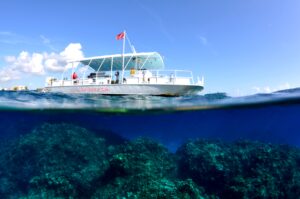
Think about timing and crowd patterns as well. Midday on cruise-ship days can concentrate visitors at the easiest-to-reach beaches, while early morning and late afternoon tend to feel quieter almost everywhere. Sunset is excellent from the west side, and if you plan to linger, choose a location where parking is straightforward and you are not rushing to relocate. If you want a beach day that includes guided time on the water, it can be convenient to base yourself near marinas and activity hubs. When you want a structured snorkel or dive beyond shore conditions, Red Sail Sports is one option for boat-based trips that can complement a beach afternoon without relying on perfect nearshore visibility.
- For easy swimming and a classic beach day, focus on Seven Mile Beach and nearby West Bay.
- For short, scenic stops and coves, the South Shore pairs well with a driving loop.
- For a quieter feel, plan extra time for the East End and North Side and expect fewer facilities.
- For snorkeling, prioritize safe entry and visibility over distance on a map.
Finally, be realistic about what “snorkel-friendly” means. A beach can be beautiful but have surge, sharp ironshore or a drop-off that is uncomfortable for casual swimmers. Water shoes can make rocky entries more manageable, and a float or snorkel vest can help you stay relaxed, especially if you are not used to swimming over darker reef patches. The best choice is the one that keeps everyone in your group comfortable in the water.
Cayman islands beaches around Grand Cayman: where to go and what to expect
Seven Mile Beach remains the anchor for many visitors because it delivers the easiest all-around beach day: wide sand, generally calm water and plenty of nearby services. Within that same corridor, Governor’s Beach is a popular public access area with a classic Seven Mile Beach look and a straightforward setup for swimming. Public Beach is another well-known access point and can feel lively, especially when more visitors are on island. Farther north, Cemetery Beach in West Bay is often mentioned by travelers who want a simpler scene and the possibility of nearshore snorkeling when conditions are clear. Along this stretch, the main practical difference is not the sand or water color so much as the level of activity and how close you are to food, shade and parking.
On the South Shore, Smith’s Cove, also known as Smith Barcadere, is a compact cove that can be excellent for a shorter visit. Its protected feel can make it appealing when you want a swim without committing to a full day on the sand, though it can fill up because space is limited. Spotts Beach is quieter and is sometimes associated with turtle sightings, but it is not a “set up your chair and forget about it” beach for everyone. The sand can be rockier, and the water entry may be better suited to confident swimmers and snorkelers who are comfortable assessing conditions before getting in. On days with swell, the South Shore can change quickly, so treat it as a flexible part of your plan rather than the only stop.
The East End and North Side reward travelers who want a calmer, less developed atmosphere and do not mind fewer amenities. You may find stretches that feel almost empty compared with the west side, but you should expect more exposure to wind and waves depending on the day. These coasts can be stunning for scenery and a slower pace, yet they are less predictable for casual swimming. If you head that way, plan for self-sufficiency with water and sun protection, and choose your swim spots carefully based on what you see on arrival.
Access, conditions and safety for Cayman islands beaches
Beach access on Grand Cayman is simple once you know what to look for: signed public access points, small parking areas and paths between properties leading to the sand. If you are staying on Seven Mile Beach, you can often walk to an access point and then continue along the shoreline, but if you are driving, it is worth choosing one beach as your base rather than circling for the “perfect” spot. Parking can be the limiting factor at smaller coves, and arriving earlier usually makes the day smoother. Remember that being on the beach is free, but services like chair rentals and certain facilities may be tied to nearby properties.
Conditions deserve as much attention as location. The west side is frequently calmer, while the South Shore, East End and North Side can be more exposed. Even on calm days, currents can exist near channels and points, and visibility for snorkeling can shift with wind and boat traffic. Seven Mile Beach itself has also experienced natural shoreline change over time, and some sections may look narrower or shaped differently depending on recent weather and sand movement. Treat the beach as a dynamic environment rather than a fixed backdrop, and choose a spot that looks safe and comfortable when you arrive.
There are typically no lifeguards on duty at Cayman islands beaches, so swim within your limits and keep a close eye on children and less confident swimmers. If you snorkel, avoid standing on coral or rock where marine life lives, and stay aware of any boat activity. Sun exposure is often the biggest risk on an otherwise easy beach day, so plan shade breaks and hydration. With a little awareness and a flexible approach, you can enjoy Grand Cayman’s best shores in a way that feels effortless and well matched to the day’s conditions.
Frequently asked questions
Are Cayman islands beaches public and free to use?
Yes. Beaches in the Cayman Islands are public, and there is no general entry fee to sit on the sand or swim. What can feel confusing is that the land behind the beach may be privately owned, so you should reach the shoreline using marked public access paths and respect property boundaries once you are there. Along Seven Mile Beach, you can walk the shoreline up to the high water line, but resort loungers and certain amenities are typically reserved for guests. Bringing your own towel and water keeps things simple.
How do I find public access points on Grand Cayman?
Public access points are usually signed from the road and may look like short pathways between buildings or landscaped areas leading to the beach. On Seven Mile Beach, access points are spaced along the corridor, and some have small parking areas nearby. If you are driving, it helps to decide on a target access point before you leave, because turning around in traffic can be inconvenient at busy times. When you arrive, follow the path directly to the sand and avoid cutting through private grounds. Once you are at the shoreline, walking along the waterline is generally straightforward.
Which Cayman islands beaches are best for snorkeling and seeing marine life?
Snorkeling conditions depend on visibility, wind and how comfortable you are with the entry. In the Seven Mile Beach and West Bay area, Cemetery Beach is often chosen when travelers want nearshore snorkeling with relatively easy access, especially on calm days. On the South Shore, Spotts Beach is sometimes associated with turtle sightings and can be rewarding, but the entry can be rockier and conditions can vary, so it suits confident swimmers who are comfortable evaluating the water before committing. If you want more consistent marine life viewing without relying on shore conditions, a guided boat trip can be a reliable alternative.
Are there lifeguards on Cayman islands beaches and is it safe to swim?
You should plan as if there are no lifeguards on duty. Many visitors swim safely every day, especially on the calmer west side, but safety depends on your choices and the conditions you encounter. Pay attention to wind, waves and any visible currents, and avoid swimming alone or far from shore if you are not a strong swimmer. For snorkeling, stay clear of boat channels and avoid touching coral or marine life. If the water looks rough or visibility is poor, it is reasonable to switch beaches or keep your time in the water short and close to shore.
Is Seven Mile Beach the best choice or are there quieter alternatives nearby?
Seven Mile Beach is the easiest all-around option because it combines soft sand, generally calm water and convenient access to food and facilities. That said, it is not the only satisfying choice, and it can feel busy at peak times. For a quieter feel without leaving the west side, Governor’s Beach and Cemetery Beach can be good alternatives depending on the time of day and parking availability. If you are willing to drive a bit, the South Shore offers smaller coves with a more local atmosphere, while the East End and North Side can feel far less developed, with the tradeoff of fewer services and more variable sea conditions.