Seven Mile Beach is the signature stretch of sand in Grand Cayman, known for clear water, an easygoing shoreline, and a wide range of ways to spend a day in and on the sea. For travelers already on island, the main questions tend to be practical: what the beach looks like right now, where it feels most comfortable to set up, and how to plan swimming, snorkeling, or a dive day around real conditions. This guide focuses on the on-the-ground experience at Seven Mile Beach, including how erosion has changed certain areas, what to expect from near-shore visibility, and how timing and weather influence comfort in the water.
Introduction
Seven Mile Beach runs along the west side of Grand Cayman and remains the most convenient place to combine a classic beach day with water time that ranges from casual floating to full dive excursions. The appeal is simple: soft sand underfoot, generally calm water compared with more exposed coasts, and a long, scenic shoreline that makes it easy to move between quieter pockets and livelier resort areas. At the same time, the beach is not uniform from end to end. Natural sand movement and periodic storm impacts have reshaped the profile in subtle but noticeable ways, so the best spot for a long walk or a wide towel setup can vary by section. Knowing what you are likely to see helps you choose where to enter, where to swim, and whether to keep snorkeling expectations modest from shore or plan a boat trip for more color and depth.
Beach conditions and experience
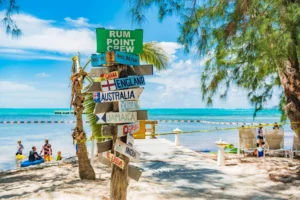
On most days, Seven Mile Beach delivers the experience people come to Grand Cayman for: pale sand, good water clarity in calm weather, and a gentle entry that makes wading comfortable. The beach’s character changes gradually as you walk it. Some areas feel broad and open with a generous dry-sand zone, while other areas can look tighter where the waterline sits closer to seawalls or vegetation. These differences are part of the beach’s ongoing cycle rather than a single “good” or “bad” condition. If your plan includes a long shoreline stroll, it helps to be flexible about where you start and to expect a few pinch points where you may step closer to the water’s edge.
Current shoreline and sand quality
The sand at Seven Mile Beach is typically fine and comfortable for bare feet, and the water often has that bright, clear look that makes the west coast so photogenic. Erosion has not removed the beach experience, but it has altered the shape in places, sometimes creating a slightly steeper slope into the water or reducing the amount of dry sand at high tide. You may also notice small variations in how firm the sand feels near the waterline depending on recent wave action. After windy days or passing squalls, the shoreline can look freshly “combed” with small ridges and a narrower band of dry sand, then gradually relax back as conditions settle.
Erosion impact on beach width
Beach width is not consistent along Seven Mile Beach, and what you see today is the result of long-term sand movement plus short-term weather. In general, the central portion tends to feel more spacious and walkable, while some end sections can appear narrower, especially around higher tide. Visitors will notice that in narrower areas the transition from sand to landscaped property edges can be abrupt, and the comfortable “buffer” for chairs and umbrellas may be limited. Wider areas feel more forgiving for families and groups because there is room to stay well back from the waterline while still keeping an eye on swimmers. If you arrive and your first access point feels tight, it is often worth walking a short distance to find a broader patch rather than assuming the entire beach is the same.
Water activities guide
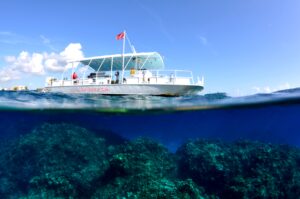
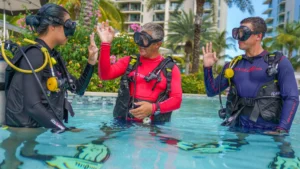
Seven Mile Beach is well suited to simple water time, but it is important to match the activity to what the shoreline naturally offers. Swimming is the headline activity because the entry is usually gentle and the west-facing coast often has manageable surface conditions. Snorkeling from shore can be enjoyable for a quick look, yet it is typically more limited than what you will see on deeper sites reached by boat. For diving, the best reefs and walls are not directly off the sand, so most divers plan boat dives to reach healthier structure, better depth, and more consistent marine life encounters. If you are balancing a beach day with time on the water, consider how wind and recent weather affect comfort at the surface and visibility below.
Best swimming areas and water depths
For most visitors, the most comfortable swimming is along the central stretch where the beach often feels widest and the water entry tends to be gradual. These areas commonly provide a calm, shallow zone close to shore that suits families and casual swimmers who prefer to stand easily and ease into deeper water. Even when the sea looks flat, depth can change faster in some spots depending on recent sand movement, so it is normal to find one area with a long shallow shelf and another nearby that drops a bit sooner. If you are swimming with children, staying close to shore and choosing a section with plenty of dry sand for a clear “home base” makes supervision simpler.
Shoreline snorkeling versus boat dives
Snorkeling directly from Seven Mile Beach can be a pleasant add-on to a swim, especially on calm mornings when surface chop is minimal. Expect a modest near-shore scene rather than a dramatic reef, with visibility that can range from very good on settled days to noticeably reduced after wind or rain stirs the water. For more vibrant coral structure and a wider variety of fish, boat-based snorkeling and diving typically deliver a stronger experience because they reach sites with better relief and depth. If diving is your priority, consider scheduling a morning boat trip when conditions are often calmest, then returning to Seven Mile Beach for an easy afternoon swim. Red Sail Sports is one option travelers sometimes use for pairing water time with a beach-centered day.
Planning and logistics
Seven Mile Beach is easy to fit into a day because access is frequent and the surrounding area is built around visitors. Still, comfort depends on choosing the right entry point and timing your visit around heat, wind, and how busy the shoreline feels. Public access corridors connect the road to the sand, and once you are on the beach you can walk to find the atmosphere you want, from quieter stretches to areas with more activity. Amenities vary by location, so it helps to arrive with a realistic plan for shade, water, and where you will rinse off or take a break from the sun. The most noticeable difference for many travelers is time of day: early hours often feel calmer and less crowded, while midday brings stronger sun and more people.
Access points, amenities, and timing
Public entry points are scattered along Seven Mile Beach, and they are useful even if you are not staying directly on the sand. Some access areas are simple walkways with limited facilities, while others are closer to restrooms, casual food options, or places to rent water gear. Shade can be limited outside of resort-managed areas, so travelers who prefer guaranteed cover often plan around natural shade where available or bring sun protection that does not rely on finding a tree. For the smoothest water and the most comfortable swim, mornings are often best, with clearer surface conditions before afternoon breezes pick up. Late afternoon can be excellent for a quieter vibe, though the sun angle and tide can change how much dry sand is available.
Advanced insights and safety tips
Seven Mile Beach generally feels approachable, but ocean conditions still change and small differences matter when you are snorkeling or spending a long time in the water. Wind direction influences surface texture and can quickly turn a glassy swim into a choppier session that feels tiring for less confident swimmers. Rain can temporarily reduce clarity by stirring fine sediment and washing runoff into the near-shore zone, even when the sea looks calm from the sand. After stronger weather, you may also notice the shoreline looks rearranged, with a steeper edge or a narrower band of dry sand in certain areas. Planning with a flexible mindset helps: choose the calmest-looking section, keep swims closer to shore when the surface is unsettled, and save longer snorkeling sessions for days with clear, settled water.
Seasonal visibility and weather considerations
Seasonal patterns in Grand Cayman can influence both comfort and visibility at Seven Mile Beach. Trade winds can bring more surface chop, which affects easy floating and can make shore snorkeling less rewarding even if the water is warm. During the rainy season, short bursts of rain may not ruin a beach day, but they can lower visibility near shore for a period afterward. Post-storm conditions are the most variable: the beach profile can shift, and the water may take time to clear as waves resuspend sand. When conditions are mixed, a boat trip to deeper sites can sometimes offer better underwater clarity than staying close to the shoreline, especially if you are hoping for a more vivid reef view.
Frequently asked questions
Is Seven Mile Beach still as wide and walkable despite erosion?
Seven Mile Beach is still walkable and enjoyable, but it is not equally wide along its entire length. Erosion has narrowed certain sections, which can be most noticeable at higher tide when the waterline moves closer to property edges. In wider central areas, you will usually find plenty of room for walking and setting up on dry sand. In narrower areas, you may need to walk closer to the water’s edge for short stretches. Conditions also change after windy weather or storms, so the same spot can look different week to week.
Which part of Seven Mile Beach is safest for young children to swim?
The safest-feeling areas for young children are typically where the entry is gentle and the near-shore zone stays shallow for longer, which is often found along the central stretch of Seven Mile Beach. These areas also tend to provide more dry sand, making it easier to keep a clear base for towels and supervision. Even in calm conditions, adults should stay close because depth can vary with shifting sand and occasional small waves can knock children off balance. Choosing a calm morning window often improves comfort and reduces surface chop.
Can I snorkel directly from the beach or is a boat trip necessary?
You can snorkel directly from Seven Mile Beach, especially on calm days when the surface is smooth and visibility is clearer. From shore, the underwater scenery is usually modest compared with dedicated reef sites, so it is best approached as a short, easy activity paired with swimming rather than the main event. If you want more vibrant coral structure, larger schools of fish, and more consistent visibility, a boat trip is typically the better choice because it reaches deeper, more developed sites away from near-shore sand movement.
How do seasonal weather patterns influence water clarity and comfort?
Water clarity and comfort at Seven Mile Beach are closely tied to wind and rainfall patterns. Trade winds can increase surface chop, which makes floating and shore snorkeling less comfortable and can reduce visibility by stirring sand. During the rainy season, brief downpours may be followed by a period of hazier near-shore water, even if the sky clears quickly. After stronger storms, the shoreline can shift and the water may take longer to settle. When the sea is calm, mornings often provide the clearest and smoothest conditions.
What should I watch for to stay safe while swimming or snorkeling at Seven Mile Beach?
Pay attention to surface conditions, your distance from shore, and any areas with increased activity on the water. If the sea looks choppy or you feel yourself working to make progress, keep your swim closer to shore and shorten your time in the water. For snorkeling, choose calm periods with good visibility so you can maintain orientation and avoid fatigue. Staying aware of changing weather is important because wind can build during the day. If you are not a strong swimmer, use flotation and avoid pushing beyond your comfort zone.