Stingray city cayman is one of the most distinctive wildlife encounters you can do while you are already on Grand Cayman: a shallow sandbar in the North Sound where southern stingrays glide through clear water and approach calmly. This guide focuses on what you will actually experience on the water, how deep the sites really are, and the on-the-ground logistics that shape your day, including timing, boat rides, and safety briefings. The goal is to help you choose the right tour style and arrive prepared for conditions that can change with wind and tide.
Introduction
Stingray City sits inside the protected North Sound lagoon, a setting that is typically calmer than open-water sites around Grand Cayman. The experience is popular because it is approachable: many visitors can stand comfortably at the sandbar while guides manage the interaction and keep the group oriented in a busy area. At the same time, there are two distinct ways people talk about Stingray City: the shallow sandbar experience for swimmers and snorkelers and a deeper nearby site used for scuba dives. Understanding that difference helps set expectations for depth, visibility, and comfort. It also helps you plan around real-world details like departure marinas, boat travel time, and how long you will be in the water.
Overview of Stingray City and this guide’s focus on safety, depth, and logistics
Most travelers searching stingray city cayman want clarity on three points: whether it is safe, how deep it is, and how to fit it into a day in Grand Cayman. Safety is largely about following guide direction and respecting the animals rather than physical difficulty. Depth varies by site and tide and it affects confidence for children and first-time swimmers. Logistics matter because Stingray City is reached by boat across the North Sound and timing influences crowd levels and water conditions. If you are deciding between a snorkel trip and a dive charter, the practical differences are less about “better” and more about what you want to do in the water and how comfortable you are with deeper profiles.
What to expect at Stingray City
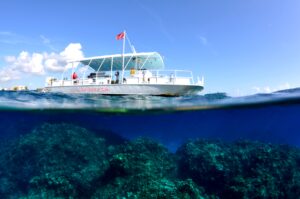
On arrival, the boat will typically moor near other vessels and your crew will give a briefing before anyone enters the water. Expect a lively scene at peak times, with multiple groups sharing the sandbar area. The water is usually clear enough to see rays approaching, but the bottom can be stirred up when many people are standing and shuffling. Guides manage spacing, demonstrate how to hold your position, and explain where to keep hands and feet. The rays are accustomed to human presence and often swim close, brushing past legs or circling calmly. The key is to stay relaxed, move slowly, and let the rays control the interaction.
Sandbar interactions describe standing in waist-deep water amid gentle stingrays
The classic sandbar portion of stingray city cayman is done in shallow water where most adults can stand. Depth is commonly around 3–4 feet (about 1–1.2 meters) depending on tide, with some slightly deeper pockets. You will feel soft sand underfoot, and you may be asked to stand still while a ray passes. When handled correctly under crew supervision, a ray may be supported briefly at the surface for a photo, but most of the time the best moments happen when you watch them glide naturally around the group. If you are not a confident swimmer, flotation is typically available, and you can stay close to the guide and the boat ladder.
Dive site features explain typical depths and underwater visibility for certified divers
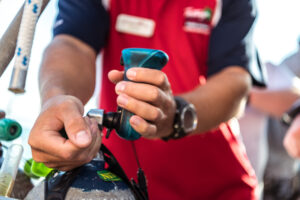
Certified divers visiting the deeper Stingray City site should expect a different feel: you are observing rays underwater rather than standing on a sandbar. Typical depths are often in the 40–60 foot range (around 12–18 meters), which makes buoyancy control and situational awareness more important than at the sandbar. Visibility in the North Sound can be very good, but it varies with wind, recent rain, and boat traffic. Because the bottom is sandy, fin kicks can reduce visibility quickly if a group is not careful. Dive charters generally keep profiles conservative and organized, with clear direction on where to settle and how to avoid disturbing the bottom.
Planning and logistics
Stingray City trips are usually half-day experiences, but the total time commitment depends on where you depart from and whether your itinerary includes additional stops in the North Sound. Many boats combine the sandbar with a reef snorkel nearby and sometimes a visit to Starfish Point. If you are staying along Seven Mile Beach, factor in ground travel time to the marina as well as check-in. Morning departures often have smoother conditions and clearer light on the water, while midday can feel busier. If you are prone to motion sickness, the ride is typically not long, but choppy wind against tide can make the North Sound bumpy.
Tour types and schedules outline group snorkel and dive charter options
Most visitors choose a group snorkel trip to the sandbar because it is social, time-efficient, and accessible for mixed-ability groups. These trips commonly run multiple times per day and include crew supervision in the water. Dive-focused outings are designed for certified divers and may pair the deeper Stingray City site with another North Sound dive, depending on conditions and the day’s plan. If you want a more flexible pace, private charters can tailor timing and reduce crowd exposure, though availability varies by season. When relevant, companies such as Red Sail Sports may be a convenient option for travelers staying near major resort areas who want a straightforward booking and consistent scheduling.
Meeting points and boat durations clarify departure locations and travel times
Departures typically leave from marinas on the west side of Grand Cayman or from North Sound access points depending on the provider. From many west-side docks, the boat ride to the sandbar is often around 20–40 minutes, with the exact time influenced by departure location and sea state. Plan to arrive early enough for check-in, waivers, and a briefing that covers both safety and wildlife interaction. Boats usually have shaded seating and a ladder for water entry, but boarding can involve steps and movement at the dock. If you are traveling with small children, it helps to confirm how flotation is handled and where personal items can be stored dry.
Advanced practical insights
The quality of a stingray city cayman visit often comes down to how well the group follows the briefing and how thoughtfully the interaction is managed. The rays are wild animals, and while they are accustomed to people, they respond best to calm, predictable behavior. Conditions also play a role: wind can roughen the surface and make it harder to see rays approaching, while strong sun can improve visibility but increase glare. Tide affects depth at the sandbar and can change how comfortable shorter guests feel standing. If you are diving, maintaining neutral buoyancy and avoiding sudden finning near the bottom preserves visibility for everyone.
Responsible interaction protocols detail safety guidelines and stingray welfare practices
Responsible interaction protects both guests and stingrays. You should keep movements slow, avoid surrounding a ray, and never chase or grab at the tail. Guides may demonstrate safe hand placement and how to support a ray briefly without squeezing or lifting it high out of the water. Feet should stay planted or gently shuffled to avoid stepping on an animal that passes close. Feeding practices vary by provider and local guidance, so follow crew direction precisely and keep fingers clear when food is presented. A few behaviors consistently improve safety and animal welfare:
- Let stingrays approach you rather than swimming after them.
- Keep hands low and open, and avoid touching the eyes and gill area.
- Maintain space so rays have a clear path to move away.
- Use reef-safe sunscreen and avoid oily products before entering the water.
Frequently asked questions
Is Stingray City safe for children and first-time swimmers?
For many families, stingray city cayman is a good choice because the main sandbar area is shallow and typically calm, allowing most adults to stand while children stay close to a guide. Safety depends on supervision, flotation use, and following the briefing. Children who are nervous in open water often do better with a properly fitted life vest and a clear plan to remain near the boat ladder. The stingrays are generally gentle, but they are still wild animals, so kids should be coached to move slowly, keep hands where the guide instructs, and avoid sudden splashing.
What is the actual depth at the sandbar and dive sites?
The sandbar portion is commonly around waist-deep for adults, often about 3–4 feet (roughly 1–1.2 meters), though tide can make it shallower or closer to chest-deep for shorter guests. The bottom is sandy with occasional deeper pockets. The deeper Stingray City dive site is a separate experience and is typically conducted around 40–60 feet (about 12–18 meters), which is within the range of many recreational dive profiles. Your exact depth and time at depth will depend on the charter plan, conditions, and your certification level.
Are snorkel gear and safety equipment provided on tours?
Most snorkel trips include masks, snorkels, and fins, and many provide flotation such as life vests or noodles, especially because the group may include mixed swimming abilities. Boats commonly carry basic safety equipment and crews brief guests on water entry and exit using the ladder. Even when gear is provided, fit matters, so allow time to try on a mask and adjust straps before arrival at the sandbar. If you wear prescription lenses or prefer your own equipment, bringing your own mask can improve comfort and reduce fogging during the session.
How do weather and visibility conditions affect the Stingray City experience?
Because Stingray City is inside the North Sound, conditions are often calmer than open ocean sites, but wind can still create chop that makes it harder to see rays at the surface and can make boarding the ladder feel less stable. Heavy rain can reduce water clarity, and busy periods can stir up sand around the group. On days with strong winds, some departures may be adjusted or rescheduled for comfort and safety. If you are diving, wind and current can influence visibility and the ease of maintaining position without disturbing the sandy bottom.
What should I wear and bring for Stingray City in Grand Cayman?
Wear swimwear that stays secure in shallow water and consider a rash guard for sun protection, since time on the boat and sandbar can add up. Bring a towel, reef-safe sunscreen applied in advance, and a dry bag or waterproof pouch for essentials if you plan to carry them on board. Sunglasses and a hat help during the ride across the North Sound, and a light cover-up is useful if you get chilled in the breeze after snorkeling. If you are prone to seasickness, taking appropriate medication ahead of departure can make the trip more comfortable.