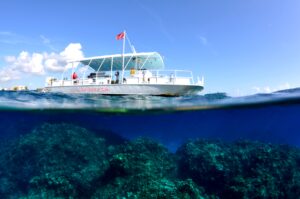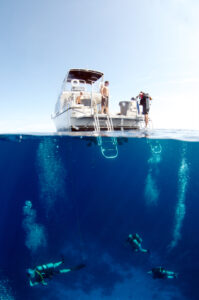
As you explore the Caribbean gem of the Cayman Islands, understanding things to do in cayman islands can transform your week into an unforgettable blend of beach leisure, wildlife encounters, and underground adventures. This three-island territory—Grand Cayman, Cayman Brac and Little Cayman—offers a clear structure for a seven-day itinerary. Start with sandy shores on the main island, shift to rugged bluffs on Cayman Brac, and finish with serene dive sites around Little Cayman. Planning each day around location and interests ensures you maximize sun, sea and local culture.
Top things to do in cayman islands for a week-long trip
Planning the perfect week requires organizing each day around the signature experiences on all three islands. Grand Cayman leads with iconic beaches and marine interaction zones, Cayman Brac provides a more tranquil retreat amid limestone caves and bluff-top views, and Little Cayman delivers the ultimate diving playground. Lining up these experiences by island helps structure your schedule, keeps travel times efficient, and balances high-energy excursions with moments to relax on secluded beaches.
Grand Cayman
On Grand Cayman, Seven Mile Beach sets the scene with powdery white sand stretching for miles. Spend mornings snorkeling over colorful reefs and afternoons at Stingray City meeting gentle rays in shallow water. Don’t miss a guided tour of the Cayman Crystal Caves, where limestone formations glow under dim lights and history comes alive beneath dense forest canopy.
Cayman Brac
Cayman Brac offers a quieter pace, starting with bluff-edge dives at Otto’s Reef, where dramatic drop-offs meet abundant marine life. Inland, limestone cave tours reveal ancient formations and hidden pools. Coastal hiking trails along the eastern bluff reward hikers with panoramic ocean vistas and the rare chance to spot red-footed boobies nesting on rugged cliffs.
Little Cayman
Little Cayman’s Bloody Bay Wall is a must for certified divers, plunging into one of the Caribbean’s most famous vertical drop-offs. Above the surface, tranquil beaches like Point of Sand invite kayaking among mangrove lagoons, while guided snorkel trips showcase turtles, stingrays and vibrant reef fish in shallow, calm waters.
Planning and logistics
Seamless island hopping hinges on early transportation arrangements and seasonal awareness. Ferries connect Grand Cayman and Cayman Brac several times per week, while small aircraft shuttle passengers to Little Cayman in under 30 minutes. Car rentals on each island offer flexibility for coastal drives, cave visits and remote beaches. Booking vehicles and boats in advance secures the best rates and optimal departure slots.
Getting around islands
Car rentals on Grand Cayman and Cayman Brac give you freedom to explore hidden beaches and inland parks. Ferries run fixed schedules, so align your dive or cave tour with boat departures. For Little Cayman, book the inter-island flight early to guarantee space, especially during high season when capacity can sell out quickly.
Seasonal considerations and visibility
Winter months (December to April) deliver peak underwater clarity and calm seas ideal for diving and snorkeling. The summer wet season can bring brief afternoon showers and slightly choppier water, but visibility often remains excellent. Always check local marine forecasts before planning deep dive days or open-water kitesurfing adventures.
Advanced tips and practical insights
Optimal enjoyment of underwater sites and adventure tours depends on understanding safety, certification and local etiquette. Different dive sites suit varied skill levels, and some shallow wreck dives offer an introductory scuba experience for first-timers. Having clear expectations about currents, depths and wildlife proximity ensures each outing stays safe and memorable.
Dive conditions and safety guidelines
Dive sites around Grand Cayman often range from 30 to 100 feet, with calm currents and visibility exceeding 100 feet. Little Cayman’s deeper walls may feature stronger drift currents, so advanced certifications and drift-diving experience are recommended. Always dive with a licensed operator, carry emergency signaling devices, and respect marine wildlife by maintaining neutral buoyancy and avoiding physical contact.
Planning a week in the Cayman Islands is easiest when you treat it as a three-island destination with one main base and a couple of side trips. Grand Cayman is the natural hub for beaches, dining, and day tours while Cayman Brac and Little Cayman add a quieter, more outdoors-focused pace. If you are already on Grand Cayman, you can build a satisfying week by mixing iconic water experiences with a few inland nature stops and then adding one or two nights on a Sister Island for diving, hiking, and a change of scenery. The result is a balanced set of things to do in cayman islands without spending your whole trip in transit.
Introduction
The Cayman Islands combine three distinct personalities in a compact area. Grand Cayman is where most visitors stay, with easy access to Seven Mile Beach, George Town, and a wide range of excursions that fit into half-day or full-day blocks. Cayman Brac feels more rugged and residential with limestone terrain, dramatic bluff edges, and shorelines that reward slow exploration. Little Cayman is the smallest and calmest, best known for world-class wall diving and a low-key rhythm that makes early mornings and sunset evenings feel unhurried. For a one-week framework, many travelers keep four to five nights on Grand Cayman, then add two to three nights on either Cayman Brac or Little Cayman depending on whether hiking and caves or pure dive-and-relax time is the priority. This approach keeps your schedule flexible while still covering the signature things to do in cayman islands across all three islands.
Top activities for a week-long trip
A strong week usually includes one “big water day” on Grand Cayman, one or two beach-and-snorkel days you can keep spontaneous, and one inland nature outing to balance the sun and salt. If you add a Sister Island, plan your most weather-sensitive activities there as well, since the diving and hiking are often the main reasons to go. Booking a few anchor experiences in advance helps with availability, but leaving open space is valuable on Grand Cayman where conditions can shift and you may want to swap a boat day for a calmer beach day or vice versa.
Grand Cayman
Seven Mile Beach is the easiest place to settle into the island: calm water on many days, straightforward access from the main hotel corridor, and plenty of options for a simple swim between other plans. For a signature marine encounter, Stingray City is a classic sandbar experience that is typically run as a morning or midday trip, often paired with a snorkel stop on nearby reefs. If you want to keep the day smooth, choose a departure point close to where you are staying and plan for sun exposure on the boat even if the water feels cool at first. For something away from the shoreline, Cayman Crystal Caves adds shaded walking paths and limestone chambers that feel like a different world from the beach, making it a good choice after a long water day.
To round out Grand Cayman beyond the headline attractions, many travelers add a couple of shorter stops that do not require a full-day commitment. The Cayman Turtle Centre and the Blue Iguana Conservation facility are popular for wildlife viewing and are especially useful when you want a structured activity that is not dependent on sea state. For snorkeling close to town, sites like Eden Rock and Devil’s Grotto are well known for easy access and interesting swim-through scenery when conditions are calm. If you prefer a guided day on the water, companies such as Red Sail Sports can simplify timing, gear, and transport coordination from major resort areas.
Cayman Brac
Cayman Brac is well suited to travelers who want a quieter base with dramatic terrain. The island’s bluff dives are a highlight for certified divers, with walls and drop-offs that can feel more remote than Grand Cayman sites. On land, limestone cave tours and short hikes deliver big scenery in a small area, and the coastal paths can be especially rewarding in the early morning when the light is softer and temperatures are lower. The pace here is slower, so it helps to plan one main activity per day and then leave time for scenic drives, relaxed meals, and unplanned stops along the coast. If you are splitting your week, Cayman Brac is a strong choice when you want a mix of underwater time and land exploration without crowds.
Little Cayman
Little Cayman is a diving-focused escape, and Bloody Bay Wall is the headline for good reason: sheer drop-offs, healthy reef structure, and the kind of clear-water perspective that makes even a short dive feel expansive. Between dive days, the island’s quiet beaches and calm shallows lend themselves to kayaking and easy shoreline swims, and wildlife viewing can be surprisingly rich given how small the island is. Because services are limited compared with Grand Cayman, it is worth arriving with a simple plan for your days and a realistic sense of what you want to prioritize. If your week is built around the best things to do in cayman islands underwater, Little Cayman often becomes the part of the trip people talk about most afterward.
Planning and logistics
Island hopping is straightforward once you accept that schedules are built around small-plane connections rather than frequent, all-day departures. From Grand Cayman, flights to Cayman Brac and Little Cayman are short, but they can be limited in frequency, so the most efficient plan is usually to fly out in the morning and return mid-morning or early afternoon a few days later. That timing protects your dive schedule and reduces the chance of losing a full day to transit. On Grand Cayman, car rentals are widely available and can be helpful for reaching the East End, the Botanic Park, or inland attractions without relying on taxis, while many visitors staying along Seven Mile Beach can manage with a mix of shuttles and pre-arranged pickups for tours.
Seasonal patterns matter most for visibility and comfort rather than access. Winter months often bring excellent water clarity and slightly cooler air in the evenings, which can make long boat rides feel brisk after a swim. Summer can bring short showers and higher humidity, but the water is warm and many days still deliver strong visibility. Sea conditions are the main variable for boat-based activities: if winds pick up, the best plan is to stay flexible and choose leeward sites or switch to a shore-based option like Cayman Crystal Caves or the Queen Elizabeth II Botanic Park. A simple way to keep your week smooth is to anchor a couple of must-do water excursions early, then use the remaining days for beach time and inland stops that can shift around the forecast.
- Plan Sister Island flights around limited departure times rather than trying to “fit them in” between other tours.
- Keep one inland activity in reserve on Grand Cayman in case sea conditions change.
- Allow extra time for pickups and check-in on boat days, especially when departing from busy marinas.
- Bring a light layer for breezy winter boat rides even when daytime temperatures feel warm.
Advanced tips and practical insights
Dive and snorkel conditions in the Cayman Islands are generally friendly, but they are still ocean conditions, and the best experiences come from matching the site to your comfort level. Many reef and wall dives span a range of depths, with shallower sections that can suit newer divers and deeper contours that appeal to experienced divers trained for those profiles. Currents are often mild but can vary by location and wind direction, and surface chop can make entries and exits feel more demanding than the underwater portion of the dive. Visibility is frequently excellent, but it can soften after storms or during periods of stronger wind-driven swell, which is another reason to keep your schedule adaptable.
Certification requirements depend on the activity. Scuba diving typically requires an appropriate certification level, and dive centers will also consider recent experience and comfort in open water. If you are not certified, introductory programs in controlled conditions can provide a supervised way to experience breathing underwater without committing to a full course, while snorkeling is widely accessible when you choose calm sites and use properly fitted gear. Wildlife etiquette is a core part of safety and conservation: keep a respectful distance, avoid touching coral or marine animals, and maintain good buoyancy control to prevent accidental contact. For Stingray City and similar encounters, follow crew guidance closely, keep movements slow, and prioritize the animal’s space so the experience stays safe and sustainable. These details elevate the most popular things to do in cayman islands from “good” to genuinely memorable.
Frequently asked questions
What are the must-do activities in the Cayman Islands for a week-long stay?
For a well-rounded week, prioritize a Seven Mile Beach day for relaxed swimming and sunset time, a Stingray City sandbar excursion paired with snorkeling, and at least one inland nature outing such as Cayman Crystal Caves or the Queen Elizabeth II Botanic Park. Add a dedicated snorkeling or dive day at well-known sites like Eden Rock and Devil’s Grotto if conditions are calm. If your schedule allows, include a short Sister Island stay: Cayman Brac for bluff scenery, caves, and hiking, or Little Cayman for Bloody Bay Wall and a quieter beach rhythm.
Which island is best for snorkeling and diving beginners?
Grand Cayman is usually the easiest starting point for beginners because it offers the widest range of calm-water options, professional instruction, and accessible sites close to major accommodations. New snorkelers can choose protected areas and go when the sea is settled, and first-time divers can look for supervised introductory experiences that focus on comfort and basic skills. Cayman Brac and Little Cayman can be excellent, but they are better when you already know what conditions you enjoy since schedules are less flexible and the overall focus is more specialized.
Do I need dive certification to enjoy Cayman Islands underwater activities?
You do not need scuba certification to enjoy many underwater experiences in the Cayman Islands. Snorkeling is widely available and can be excellent on calm days, especially at sites with easy entry and clear water. For scuba diving, certification is typically required for standard boat dives, and dive centers will confirm your level and recent experience. If you are not certified, ask about supervised introductory programs that let you try scuba skills in a controlled setting. These options can deliver a meaningful underwater experience without completing a full certification course during your trip.
What non-diving options are available for families on Grand Cayman?
Grand Cayman has plenty of family-friendly activities that do not require scuba diving. Seven Mile Beach is a natural centerpiece for swimming and sand time, and wildlife-focused visits such as the Cayman Turtle Centre and the Blue Iguana Conservation facility are popular for kids and adults alike. Cayman Crystal Caves offers a shaded, guided walk that feels adventurous without being strenuous. For a water-based day without diving, families often choose a Stingray City trip with a snorkel stop, or a calm-day snorkel session at accessible nearshore sites.
How should I split a week between Grand Cayman and the Sister Islands?
A common and efficient split is four to five nights on Grand Cayman and two to three nights on either Cayman Brac or Little Cayman. Use Grand Cayman for variety: beach time, Stingray City, and inland nature, plus flexible dining and shopping in the evenings. Choose Cayman Brac if you want a blend of hiking, caves, and a quieter coastal feel, and choose Little Cayman if your priority is diving at Bloody Bay Wall and enjoying a low-key atmosphere. Plan flights early in the day when possible to protect activity time and reduce schedule pressure.