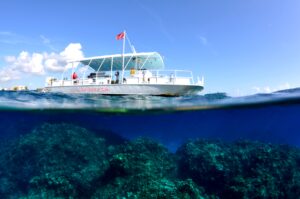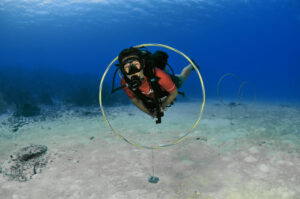
Excursions in Grand Cayman are easiest to enjoy when you match the experience to the time you have on island and the part of Grand Cayman you are starting from. Cruise guests arriving in George Town often want a memorable water activity that fits a half-day window including tender time. Stayover visitors typically have more flexibility to choose calmer departure times, add a second stop, or schedule scuba diving around surface intervals and weather. The most popular choices remain snorkel trips, scuba diving, and wildlife-focused outings in the North Sound, plus nature experiences that balance time on the water with a relaxed pace.
Introduction
Grand Cayman’s excursion scene is shaped by two visitor rhythms: short port calls and multi-day stays. If you are here on a cruise, your priority is usually a high-impact outing with predictable timing such as a Stingray City sandbar visit paired with a nearby reef snorkel. These trips are designed to deliver clear water, shallow depth, and a quick return to George Town. If you are staying on Grand Cayman, you can spread experiences across different days, choose morning departures for calmer seas, and add land-based stops without feeling rushed. Across both styles of travel, the strongest options focus on snorkeling, scuba diving, and wildlife and nature encounters that highlight the island’s marine environment.
Many excursions in Grand Cayman bundle multiple stops so you can see more without changing boats or providers. A common pairing is the sandbar with a reef snorkel in the North Sound, while divers often combine a two-tank boat dive with an easy afternoon on Seven Mile Beach. When comparing options, pay close attention to where the trip departs from, how long you will be on the water, and whether the experience is designed for first-timers or for guests with prior training.
Top excursions in Grand Cayman
The best-known excursions in Grand Cayman are water-based because the island’s clarity and reef structure create reliable conditions for both snorkeling and diving. For many visitors, the ideal day includes one signature wildlife stop and one reef stop, with enough time built in for rinsing off, changing, and getting back to your next commitment. If you are choosing between similar tours, look beyond the headline and focus on group size, time in the water, and whether the itinerary prioritizes a relaxed pace or a faster loop through multiple locations.
Stingray City sandbar and reef snorkel combo
Stingray City is the classic North Sound experience: shallow sandbar water where southern stingrays gather and guests can stand comfortably in most areas. The sandbar portion is typically followed by a reef snorkel nearby, often at sites known for coral heads and schooling fish. This combination is popular because it balances wildlife interaction with a more traditional snorkel stop, and it generally suits mixed groups where some people want to stay shallow while others swim longer. If you are traveling with a cruise schedule, this is one of the most time-efficient ways to see a signature Grand Cayman highlight without committing to a full-day plan.
Snorkeling famous reefs and Starfish Point
Reef snorkeling around Grand Cayman ranges from shallow, calm areas suitable for newer snorkelers to deeper reef edges that feel more adventurous. Starfish Point is often included as a gentle add-on, especially for stayover guests who want a quieter contrast to busier boat stops. Conditions there are usually calm and the appeal is observation rather than distance swimming. When Starfish Point is part of your day, treat it as a slow-paced nature stop: spend a little time in the shallows, take photos without disturbing wildlife, and save your longer swim for a dedicated reef location where visibility and coral structure are the main draw.
Certified and first-time scuba diving trips
Scuba diving is a standout category among excursions in Grand Cayman because the island offers variety within short boat rides: dramatic wall profiles, wrecks, and shallow reefs that are ideal for skill-building. Certified divers often look for wall dives with clear drop-offs and sponge-covered formations, while first-time divers typically join introductory experiences in sheltered sites with manageable depth and close supervision. If you are planning multiple dives during a stay, schedule them early in your trip to allow flexibility for weather changes and to keep your final day lighter. For guests who want a polished boat-day experience, companies such as Red Sail Sports can be a convenient starting point for comparing departure locations and trip styles.
Planning and logistics
Logistics determine whether your day feels smooth or rushed, especially if you are coordinating around a cruise arrival or a dinner reservation. In George Town, tender schedules can compress your usable time, and traffic can slow down transfers during peak hours. For stayover guests, the main planning advantage is choice: you can select a departure that aligns with calmer morning seas, avoid midday congestion, and build in time for a relaxed meal after your excursion. Regardless of how you arrived, confirm the departure point on Grand Cayman, the expected return time, and whether transport is included or you will be meeting on your own.
Cruise port timing and transport options
From the George Town tender area, some excursions depart nearby while others require a drive to a marina on the North Sound. The key is leaving a buffer for tender lines on both ends of the day and remembering that water conditions can affect boat transit times. If you are arranging your own transport, taxis are widely used and straightforward, but you will want to account for pickup time and the possibility of delays when multiple ships are in port. If your excursion includes transport, clarify where you will be met and how the return is handled so you are not searching for a vehicle when you should be heading back toward the waterfront.
Meeting points, gear and what to bring
Most water excursions provide core equipment, but comfort and sun protection are often up to you. Bring what makes you confident in the water and what helps you stay comfortable on a boat. The following items are commonly useful without overpacking:
- Reef-safe sunscreen and a lightweight rash guard for sun protection
- Reef shoes for shore entries and rocky shallows
- A dry bag or waterproof pouch for essentials
- Motion-sickness medication if you are sensitive to boat travel
Also plan for the practical details that affect your day: a towel, a change of clothes, and a way to secure valuables. If you wear prescription lenses, consider a mask solution that fits your needs rather than assuming standard gear will be comfortable for a long swim.
Advanced insights and safety
Water conditions around Grand Cayman can change quickly with wind direction, and that influences both comfort and visibility. A tour that feels effortless on a calm morning can feel more demanding when chop increases, particularly for newer snorkelers. The best excursions in Grand Cayman are the ones that match your experience level to the day’s conditions, and reputable crews will adjust locations when needed to keep the water time enjoyable. Safety is not only about life vests and briefings; it is also about choosing the right site for your group, setting realistic expectations for time in the water, and respecting wildlife so the experience remains sustainable.
Water conditions and regional suitability
North Sound excursions, including the Stingray City sandbar, are typically shallow with relatively protected water compared with open-coast sites. That makes them a strong choice when you want calmer conditions and easier entries. Reef snorkel stops vary: some are sheltered and shallow with minimal current, while others sit closer to channels where water movement can pick up. Visibility is often excellent, but it can be reduced after windy periods or heavy rain, and seasonal patterns matter. In winter months, stronger winds can shift which side of Grand Cayman offers the calmest water, so flexibility in site selection is valuable for both snorkeling and diving.
Wildlife interaction etiquette and safety protocols
Wildlife encounters are most rewarding when they are calm and respectful. At Stingray City, follow the crew’s briefing on how to stand, where to place your hands, and how to avoid sudden movements that can startle animals. Keep fins and feet under control in shallow areas to prevent accidental contact with stingrays and to avoid stirring up sand that reduces visibility for everyone. For starfish and reef life, observation is the priority: avoid handling, keep your body off the bottom, and maintain a comfortable distance from coral. These habits protect marine habitat and also reduce the risk of scrapes, stings, and equipment damage.
Frequently asked questions
What are the best excursions with limited cruise port time?
With limited time in port, the most reliable excursions in Grand Cayman are those that combine a signature stop with a straightforward schedule and a clear return window. A Stingray City sandbar visit paired with a nearby reef snorkel is a common choice because it delivers a memorable wildlife encounter and a classic snorkel experience in a single outing. Look for departures that align with your tender arrival and prioritize tours that state their total duration clearly. Build in extra time for tender lines and traffic so you can return to George Town without rushing.
Is Stingray City suitable for children and non-swimmers?
Stingray City is often suitable for children and non-swimmers because the sandbar is shallow and many guests can stand comfortably for much of the visit. Suitability still depends on sea state, comfort in open water, and the specific tour’s supervision approach. Non-swimmers should plan to use a flotation device and stay close to the guide while entering and exiting the water. Children should be within arm’s reach of an adult in the water, especially if the surface is choppy. Choose a trip that emphasizes safety briefings and controlled interaction with wildlife.
Do I need scuba certification for diving excursions?
You do not always need scuba certification to participate in diving excursions in Grand Cayman, but the type of experience changes based on your training. Certified divers can join standard two-tank boat dives that may include deeper profiles such as wall sites or wrecks depending on conditions and experience level. First-time divers typically join an introductory program that includes skills practice and a supervised dive at a conservative depth. Requirements can include minimum age, a medical questionnaire, and comfort in the water. Confirm what is included, how long the training portion lasts, and the maximum depth planned.
How much do excursions in Grand Cayman typically cost?
Pricing for excursions in Grand Cayman varies by duration, inclusions, and whether the trip is shared or private. Group snorkeling and Stingray City combinations commonly fall into a mid-range price point per person, while private charters and customized itineraries cost more but can offer flexibility in timing and stops. Scuba diving is typically priced higher than snorkeling because it includes tanks, weights, and specialized supervision, and introductory dives may include a training component. When comparing prices, check whether transport, equipment, park or marine fees, and gratuities are included so you can evaluate overall value.
What should I prioritize if I want both snorkeling and wildlife in one day?
If you want both snorkeling and wildlife in one day, prioritize an itinerary that pairs a shallow wildlife stop with a dedicated reef snorkel rather than trying to add too many locations. The most common pairing is the Stingray City sandbar followed by a reef site where coral structure and fish life are the focus. This sequencing keeps the day balanced: the sandbar is social and shallow, while the reef stop is more immersive and benefits from unhurried water time. Choose a tour that allows enough time at each stop and provides clear guidance on safe wildlife interaction and reef protection.