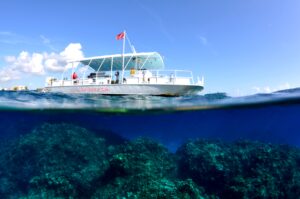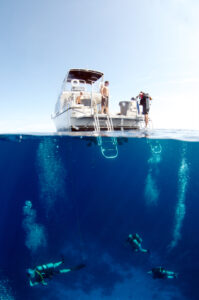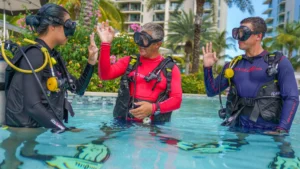
Grand Cayman Stingray City is one of the island’s most time-efficient signature experiences: a short boat ride into the North Sound followed by a shallow-water encounter with southern stingrays in clear, sandy conditions. If you are already on Grand Cayman and deciding how to spend a morning, this outing is typically chosen because it combines wildlife interaction, easy snorkeling, and a predictable schedule that gets you back to shore by midday. The key to enjoying it is understanding what the site actually is, how the sandbar differs from deeper areas of the North Sound, and what a well-run tour includes from departure to return.
Introduction
Stingray City is not a single beach or a reef line. It is a collection of shallow sandbars inside Grand Cayman’s North Sound where boat traffic can anchor in waist-deep water. Southern stingrays gather here because the area has long been associated with feeding, and the rays have become accustomed to calm human presence when interactions are managed responsibly. The main sandbar experience is now snorkeling-focused rather than scuba-focused, largely because the rays concentrate in very shallow water where standing and surface snorkeling are the norm. You may still hear people mention deeper-water locations in the North Sound, but the classic Grand Cayman Stingray City visit centers on the sandbar where visibility, comfort, and accessibility are best for most travelers.
Because the water is shallow and the bottom is sandy, the encounter feels more like wading and snorkeling than a technical marine activity. That accessibility is a major part of its appeal, but it also means your experience depends on timing, sea state, and how your group behaves around the animals. Choosing a morning departure and following guide direction closely usually leads to calmer water, clearer photos, and a smoother encounter for both guests and stingrays.
What to expect at Grand Cayman Stingray City
Most visits follow a similar format: a guided snorkel session on the sandbar where stingrays approach the group, followed by an additional snorkel stop nearby when conditions allow. On arrival, your guide typically gives a short briefing on how to enter the water, where to stand, and how to keep the interaction controlled. The rays often glide through the group, and when the water is calm you can see their outlines from the surface before they reach you. The encounter is usually unhurried, with time to watch behavior, take photos, and rotate through the best viewing spots without crowding the animals.
Interactions commonly include gentle touching under supervision, optional feeding provided by the crew, and the well-known “stingray back massage” sensation as a ray brushes past your legs. The goal is calm contact rather than chasing. Slow movements matter because sudden splashing can startle rays and stir up sand, reducing visibility for everyone. Staying within the designated sandbar area also helps keep the group together and prevents people from drifting into deeper water where footing and comfort can change quickly.
Good guides will demonstrate proper hand placement and body position so the ray remains supported and unpressured. You should expect clear direction on where to stand, when to move, and how to keep fingers away from the ray’s mouth during feeding. While stingrays can sting, incidents are uncommon in this setting when guests avoid grabbing, stepping on animals, or making abrupt movements. If you want a simple mental model, treat the encounter as wildlife observation with brief, supervised contact rather than a free-for-all swim.
- Move slowly and keep your hands low and relaxed in the water.
- Follow the guide’s instructions for any touching or feeding.
- Stay inside the waist-deep sandbar zone and avoid wandering toward deeper channels.
- Give rays space to approach and pass without blocking their path.
Many tours add a second stop after the sandbar, often a nearby reef snorkel for variety and better fish viewing. Some itineraries also include Starfish Point depending on the day’s conditions and timing. These add-ons can be a nice contrast to the sandy bottom at Stingray City, but the sandbar encounter remains the main event and the part most sensitive to wind and crowding.
Planning and logistics
Most Grand Cayman Stingray City tours depart in the morning, commonly from the George Town marina area between about 8 and 9 AM. Morning trips tend to benefit from lighter winds and smoother water in the North Sound, which improves comfort on the boat and keeps the sandbar clearer once people enter the water. Typical total duration is around 3 to 4 hours, including transit time, the stingray stop, and any additional snorkel or beach stop. That schedule usually gets you back to shore by midday, leaving the afternoon open for lunch, Seven Mile Beach time, or other activities.
Expect boat traffic to build as the morning progresses. Even on well-managed days, the sandbar can feel busier by mid-morning, which affects the atmosphere and can make photos harder if the water gets churned up. If your schedule is flexible, earlier departures generally provide a calmer experience. During peak travel periods, spaces can fill quickly, and the most convenient departure times are often the first to sell out. Booking ahead helps, especially if you prefer a smaller group size or want an itinerary that includes an extra snorkel stop.
Bring what you need to be comfortable in the water without overpacking. Reef-safe sunscreen is important, but apply it with enough time before entering the sea so it has a chance to absorb. A rash guard is useful for sun protection during the boat ride and in shallow water where you may be standing for a while. Most tours provide snorkel gear, but a personal mask can improve fit and reduce fogging, which matters for close-up viewing and photos. A small water bottle and a light snack for after the swim can make the return ride more pleasant, particularly if you are sensitive to sun and salt exposure.
Weather and sea conditions shape the day more than most visitors expect. In calm winds, the North Sound can look glassy and visibility can be excellent. When breezes pick up, the sandbar can cloud as fine sand lifts off the bottom, and the boat ride can feel bumpier. Visibility commonly ranges roughly from 40 to 100 feet depending on season and conditions, but even on clearer days the sandbar can become hazy if the area is crowded. This is another reason morning timing is preferred for many travelers.
Advanced practical insights
If you are trying to fine-tune your experience beyond simply “go in the morning,” season and day-of-week patterns help. The drier months, often February through April, are frequently associated with strong visibility and comfortable water temperatures, which can make the encounter feel especially crisp and photogenic. Summer can still be excellent, but afternoon breezes are more likely to build, and the sandbar may cloud faster once multiple groups are in the water. If you are choosing between days, midweek often feels less congested than weekends, particularly when day visitors and cruise schedules increase overall demand.
It also helps to understand the difference between the shallow sandbar and deeper areas in the North Sound. The sandbar is designed around standing and surface snorkeling, making it approachable for a wide range of swimmers. Deeper-water locations nearby can offer different marine scenery, but they are not the same as the classic Stingray City sandbar encounter and may not deliver the same close, controlled interaction. If your priority is the iconic ray experience, confirm that your tour goes to the shallow sandbar and that the focus is snorkeling rather than scuba at the main site.
Finally, consider how group size and guide style affect your time in the water. Smaller groups often feel calmer, with more space to watch rays approach naturally. Clear briefings and consistent supervision usually lead to better behavior in the water, which keeps visibility higher and reduces stress on the animals. If you are looking for a well-rounded morning that combines the sandbar with a reef snorkel, companies such as Red Sail Sports are often mentioned for pairing the stingray stop with additional North Sound highlights depending on conditions.
Frequently asked questions
Can visitors scuba dive at Stingray City or only snorkel?
The classic Grand Cayman Stingray City experience at the shallow sandbar is primarily snorkeling and wading in waist-deep water rather than scuba diving. The rays typically gather in very shallow conditions where standing is common, so the main encounter is designed around surface-level interaction and guided supervision. You may hear about deeper areas in the North Sound, but they are separate from the sandbar visit most travelers mean when they say Stingray City. If scuba is important to you, confirm the exact site and activity with your tour provider before booking.
How safe are the stingrays for first-time handlers?
Southern stingrays can sting, but the risk during a guided sandbar visit is generally low when guests follow instructions and keep movements calm. The most important safety factor is behavior: avoid sudden splashing, do not chase rays, and never step backward without looking because rays can settle on the sand. Guides typically control feeding and demonstrate how to touch gently without grabbing or restricting the animal. If you stay within the designated shallow area and let rays approach on their own terms, the encounter is usually comfortable for first-timers and families.
What typically is included in a Stingray City tour?
Most tours include a boat ride into the North Sound, time at the Stingray City sandbar for guided interaction, and snorkel masks and fins if you do not bring your own. Many itineraries add a second stop, often a reef snorkel for fish and coral viewing, and some include Starfish Point when conditions and timing allow. Depending on the company, you may also have hotel pickup, onboard water, and flotation aids for added comfort in the water. Inclusions vary, so it is worth checking whether photos, snacks, or towels are provided.
What gear and supplies should I bring for my visit?
Bring swimwear you can comfortably stand and snorkel in, plus sun protection that holds up on the water. Reef-safe sunscreen and a rash guard are commonly recommended because much of the experience happens at the surface in bright sun. Most tours provide snorkel gear, but a personal mask can improve fit and reduce leaks, which helps with visibility and confidence. Consider bringing a small water bottle and a light snack for after you exit the water, along with dry clothes for the return ride if you get chilly in wind.
When is the best time of day to visit Grand Cayman Stingray City?
Morning is usually the best time to visit Grand Cayman Stingray City because winds are often lighter and the North Sound tends to be calmer. Smoother water can improve comfort on the boat and keep the sandbar clearer once groups enter the water, since less wave action and less crowding reduce stirred-up sand. Many tours depart around 8 to 9 AM and return by midday, which also helps you avoid the busiest mid-morning period when multiple boats may converge. If you want better photos and a more relaxed feel, earlier departures are typically preferred.