Stingray city grand cayman what to expect at the sandbar today is less about adrenaline and more about an easygoing wildlife encounter in clear shallow water. Out in the North Sound you step off the boat into a broad sandbar that typically sits around waist depth where southern stingrays glide in and out of the group. The experience is designed for travelers who want a memorable marine moment without committing to a full day on the water. With the right expectations about conditions, timing, and etiquette, the visit can feel calm, safe, and surprisingly personal.
Introduction to Stingray City Grand Cayman
Stingray City Grand Cayman refers to the well-known sandbar area in the North Sound where southern stingrays regularly gather and where guided trips bring visitors for a close look. The setting is not a beach and it is not reachable by road, so the day begins on a boat and ends back at the dock. Once you arrive, the focus is on a short wade in shallow water with time to observe rays moving around your legs and between small groups. Many tours include a brief talk about stingray behavior and how to interact without stressing the animals. While the sandbar is the headline moment, the overall feel is a compact excursion that fits easily into a day already based in Grand Cayman.
A brief overview of today’s waist-deep sandbar encounter with southern stingrays.
Most visitors experience Stingray City as a wading stop where the water is generally calm and shallow enough to stand comfortably. Guides typically gather everyone in a loose semicircle and bring one or two rays close for a supervised interaction, then allow time for photos and quiet observation. The rays are wild animals and their level of interest can vary, but they are accustomed to boats and people in this area. Expect a mix of moments: a ray brushing past your calves, a pause to learn where their eyes and mouth are located and a few minutes where the sandbar feels almost like a natural aquarium.
Location, boat access, and tour options
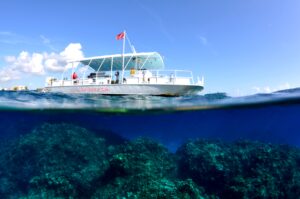
Stingray City sits in the North Sound, a sheltered body of water on the northern side of Grand Cayman. Because there is no direct land access, every visit involves a boat ride, most commonly departing from marinas near Seven Mile Beach and George Town. Travel time depends on the departure point and weather but the ride is often in the 20 to 40 minute range. The North Sound is usually protected from heavy swell, which is one reason this excursion remains popular with families and travelers who prefer gentler water. If you are staying along Seven Mile Beach, it is typically straightforward to reach the marina area by taxi or pre-arranged transport.
Tour formats vary mainly by how much time you want on the water and what else you would like to see. A sandbar-only trip keeps the focus on the rays and usually returns directly after the stop. Combo trips add a second location such as a nearby reef snorkel area, often referred to locally as Coral Gardens, or another scenic stop depending on the day’s conditions. Private charters provide more flexibility with pacing and group size and can be a good fit if you want more space in the water or you are coordinating with young children or older relatives. Red Sail Sports is one of the established providers in Grand Cayman for Stingray City outings and similar North Sound excursions.
Explanation of boat departure points, ride duration, and available sandbar-only and combo tours.
Departures are commonly scheduled in the morning and early afternoon, with morning trips often feeling less crowded and more comfortable in the sun. Sandbar-only tours generally concentrate your time at Stingray City, while combo tours balance the stingray stop with snorkeling elsewhere for more variety. If your priority is the stingrays and you prefer to minimize time in deeper water, the sandbar-only option keeps things simple. If you want more time in a mask and snorkel, a combo itinerary can deliver a broader snapshot of Grand Cayman’s marine life in one outing.
On the sandbar: wading, interactions, and snorkeling
Arriving at the sandbar is usually the most memorable transition of the day: the boat slows in pale turquoise water and you step down into sand that feels firm underfoot. Guides typically ask everyone to enter carefully and to keep movements slow so the rays are not startled. Once the group settles, you will likely see rays circling at the edge first, then moving closer as they pass through the shallows. The encounter is often structured to keep everyone together, which helps both safety and animal welfare. Even if you choose not to touch a ray, simply standing still and watching their wings ripple through the water is a highlight.
Snorkeling can be optional at the sandbar itself, depending on depth and visibility that day. Some people prefer to keep their head above water and watch the rays glide by, while others enjoy dipping under briefly for a different angle. On combo tours, the dedicated snorkel stop is usually where you will see more reef structure and a wider variety of fish. If you are bringing your own mask, a good seal matters more than fancy gear, especially if you plan to alternate between wading and short snorkel dips.
Description of stepping into the sandbar, guided meeting with rays, and optional snorkel exploration.
Guided interactions tend to emphasize calm contact and clear boundaries. You may be invited to gently touch a ray along the back as it passes, always avoiding sensitive areas. Photos are typically easiest when you keep your body still and let the ray approach rather than trying to follow it. If snorkeling is offered, it is usually brief and close to the group, with flotation available on many boats. The best underwater views come when the sand is settled and the sun is higher, but even on slightly cloudy days the rays remain visible from the surface in the shallow water.
Rules, safety, and environmental etiquette
Stingray City Grand Cayman is widely considered safe when you follow the briefing and respect the animals. The main risks are minor and preventable, such as stepping too close to a ray resting on the sand or losing balance in moving water. Guides manage spacing, keep the group oriented and help nervous swimmers stay comfortable. It is also important to remember that stingrays are not props. Responsible tours aim to reduce stress on the rays by limiting handling and keeping interactions brief and controlled. Your behavior in the water directly affects how calm the encounter feels for everyone.
Most guidelines are simple and are repeated because they matter. Shuffling your feet helps avoid accidentally stepping on a ray that has settled into the sand. Keeping hands away from the tail reduces the chance of a defensive reaction. Avoiding sudden splashes helps maintain a calm environment and improves visibility for photos. Do not bring food into the water unless your guide specifically directs it as part of the tour’s established approach. If you are wearing sunscreen, choose reef-safe options and apply them well before you enter the water so less product washes off at the site.
Key interaction guidelines, including shuffling feet, no lifting rays, and adherence to environmental protocols.
- Shuffle your feet when moving to avoid stepping on a ray resting in the sand.
- Do not lift rays out of the water or hold them in place for photos.
- Touch only when invited by the guide and avoid the tail and underside.
- Stay with the group and keep movements slow to reduce stress on wildlife.
Planning essentials: timing, conditions, and packing
Timing shapes the experience as much as the location. Morning departures often bring cooler temperatures, calmer water and fewer boats at the sandbar, which can make the encounter feel more spacious. Midday light can be excellent for photos, but heat and glare increase, so sun protection becomes more important. Conditions in the North Sound can change with wind, and even sheltered water can turn choppy on breezy days. Visibility is usually good in the shallows, but it can drop temporarily if the sand is stirred up by many feet or if weather has recently shifted.
What you bring should support comfort rather than add complexity. A rash guard helps with sun exposure and reduces the need for frequent sunscreen reapplication. Water shoes can be useful for traction when stepping off the boat and walking on firm sand. If you are prone to motion sickness, taking precautions before departure can make the ride out and back more enjoyable. Keep valuables minimal and consider a waterproof pouch if you plan to carry a phone for photos. Many tours provide masks, snorkels and flotation, but bringing a well-fitting mask can improve the experience if you plan to snorkel.
Advice on optimal times of day, seasonal visibility changes, and essential items to bring for comfort and safety.
Stingray City runs year-round, with seasonal differences mostly tied to wind patterns and comfort in the water. In cooler months, a light wetsuit top or thicker rash guard can help if you tend to chill easily, especially with longer boat rides. In warmer months, hydration and shade become the priority. If you are scheduling around other plans in Grand Cayman, allow extra time for check-in and the return ride, particularly if weather requires a slower trip. A well-timed visit leaves you relaxed rather than rushed and gives you the best chance at calm water and clear views.
Frequently asked questions
Is Stingray City safe for children and non-swimmers?
Stingray City is generally suitable for children and non-swimmers because the main sandbar area is typically shallow enough to stand in and the North Sound is often calm. Safety depends on following the guide’s briefing, staying close to the group and using flotation when recommended. Many boats carry life vests or other floatation aids, which can help nervous swimmers feel stable while still enjoying the rays up close. Parents should plan to stay within arm’s reach of younger children in the water and avoid letting kids move quickly or splash near the rays.
What can I expect to do and see during a sandbar tour today?
On a typical sandbar tour you will ride by boat into the North Sound, step into waist-deep water and spend time observing southern stingrays as they glide around the group. Guides usually share a short explanation of stingray anatomy and behavior, then facilitate a controlled interaction where guests may gently touch a ray as it passes. You will also have time for photos and quiet observation, which often becomes the most rewarding part. Depending on the tour, you may also snorkel briefly or continue to a second stop such as a reef area.
Do I need any diving certification to enjoy the Stingray City experience?
No diving certification is needed for the classic Stingray City sandbar experience because it is primarily a wading and snorkeling activity in shallow water. Most visitors participate by standing on the sandbar and optionally using a mask to look underwater for short periods. If your itinerary includes a separate snorkel stop, basic comfort in the water is helpful but certification is not required. Diving certification only matters if you are booking a dedicated scuba dive elsewhere in Grand Cayman. For Stingray City itself, the focus is on a simple wildlife encounter accessible to most travelers.
When is the best time of day and year to visit the Stingray City sandbar?
Morning is often the best time of day to visit because temperatures are cooler, winds can be lighter and the sandbar may feel less busy before later departures arrive. Midday can deliver bright light for photos, but heat and glare increase, so sun protection becomes more important. Stingray City is visited year-round, with seasonal differences mostly tied to wind and comfort in the water rather than whether the rays are present. If you can choose, pick a day with lighter winds and allow flexibility in your schedule in case weather shifts.
How long should I plan for a Stingray City Grand Cayman tour from start to finish?
Most Stingray City Grand Cayman tours take a few hours from check-in to return, with the boat ride and time on the sandbar making up the core of the outing. Sandbar-only trips are typically shorter than combo tours that add a reef snorkel or another stop. Your total time also depends on where you depart from and how conditions affect the ride across the North Sound. If you are planning the rest of your day in Grand Cayman, it helps to leave a buffer for boarding, briefings and a slower return trip if the wind picks up.