USS Kittiwake wreck dive and snorkel details in Grand Cayman
The uss kittiwake is one of the most recognizable underwater landmarks in Grand Cayman: a purpose-sunk shipwreck just off Seven Mile Beach that combines approachable depths with a clear sense of naval history. Because the site is shallow and close to shore it attracts certified divers, snorkelers, and freedivers who want a memorable wreck experience without a long boat ride. This guide focuses on what you need to know once you are already on Grand Cayman, including what the ship was built to do, how it became an artificial reef, what the layout looks like underwater, and how access and fees are handled through licensed providers.
Introduction
Set on the calm leeward side of Grand Cayman, the ex-USS Kittiwake has become a signature wreck for visitors staying along Seven Mile Beach. The appeal is straightforward: a large, intact structure in warm clear water with a depth range that supports both scuba and surface exploration. Divers tend to come for the swim-throughs, photogenic lines, and the chance to practice buoyancy around a real ship. Snorkelers and freedivers come for the shallow superstructure and the satisfaction of seeing a full wreck from above in good visibility. Beyond the experience, the site is also a managed marine attraction with specific access rules and a per-visit fee, so planning ahead helps you spend more time enjoying the wreck and less time sorting out details on the day.
What is the ex-USS Kittiwake?
Before it became a Grand Cayman dive site, the uss kittiwake was a working U.S. Navy vessel designed for a specialized job: helping submarines and their crews. Knowing a little of that background makes the wreck more meaningful underwater, especially when you are finning past deck fittings, cranes, and working spaces that once supported rescue and recovery missions. The ship’s transition from active service to artificial reef was deliberate and carefully planned, which is why the wreck remains such a popular and accessible attraction today.
A former U.S. Navy submarine rescue vessel
Commissioned as ASR-13, Kittiwake served as a submarine rescue vessel, supporting U.S. Navy operations with capabilities that included assisting disabled submarines, supporting diving activities, and providing specialized equipment and onboard facilities for rescue and recovery work. Over decades of service it took part in a variety of missions typical of its class, operating as a platform where divers and crew could respond to complex underwater tasks. After a long career the ship was decommissioned in 1994, closing its chapter as an active naval asset and opening the possibility of a new role outside military service.
From decommissioned ship to artificial reef
After decommissioning, the vessel was eventually transferred for use as an artificial reef project and tourism resource. The Cayman Islands government acquired the ship and oversaw preparations intended to make it suitable for recreational diving, including cleaning and creating access points that improve flow and visibility through key areas. In January 2011 the ship was intentionally sunk off Seven Mile Beach, Grand Cayman, creating a new habitat for marine life and a structured site for underwater recreation. Over time storms and surge have influenced how the wreck sits on the seabed, but the core experience remains a large, recognizable shipwreck with multiple levels of interest for different comfort and training levels.
Dive site overview: location, depth, and layout
The uss kittiwake site is often described as convenient, but the practical meaning is that it lies close to the Seven Mile Beach corridor, typically reached by a short boat ride. That proximity makes it easier to schedule into a half-day plan, whether you are diving in the morning and heading back for lunch or fitting in an afternoon snorkel. Underwater, the wreck’s size gives it presence, yet the depth range keeps it approachable. You can spend time on the shallow portions for longer bottom times and still drop slightly deeper to take in the full profile and the sand around it.
Location off Seven Mile Beach, Grand Cayman
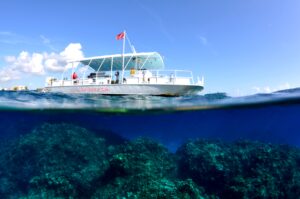
The wreck is moored offshore from Seven Mile Beach on the west side of Grand Cayman, positioned so boats can tie in without anchoring on the seabed. Many providers reference GPS coordinates during navigation and briefings, but most visitors do not need to manage that detail personally because the site is approached on established moorings. From the Seven Mile Beach area, transit time is usually short, which is helpful if you are traveling with mixed groups of divers and snorkelers. The nearshore position also means surface conditions are often calmer than sites exposed to open-ocean swell, though wind and seasonal weather can still affect comfort on the boat and at the surface.
Depth profile and wreck orientation
The Kittiwake is known for a depth range that generally runs from about 15 feet on the shallowest structure down to roughly 60 feet at the deeper sand. That profile supports multi-level dives where you can start deeper to frame the wreck against the blue, then gradually work shallower along the superstructure for extended time and easier ascents. The wreck has shifted over time and is commonly described as resting on its side, which changes how you perceive “deck” and “wall” as you swim around it. Expect prominent exterior features, broad surfaces that attract schooling fish, and openings that allow light to penetrate into interior spaces, creating strong contrast for photography and clear reference points for navigation.
Planning and logistics for your visit
Because the uss kittiwake is managed as a dedicated attraction rather than an unregulated wreck, access is handled differently than many reef sites around Grand Cayman. The most important planning point is that entry is controlled through licensed providers and a park fee is collected per visitor. This structure helps fund management and maintenance while also keeping boat traffic organized on the moorings. For travelers already on Grand Cayman, the practical takeaway is to confirm what your booking includes, how fees are collected, and what the plan is for divers and snorkelers sharing the same trip.
Access rules, fees, and licensed operator requirement
The Kittiwake is a private marine park and visits are arranged through licensed providers rather than informal drop-ins. Divers and snorkelers pay a park fee, with pricing typically differentiated by activity, and the charge is usually handled as part of the booking process so you are cleared to enter the site on arrival. When you reserve your trip, it is worth confirming whether the fee is bundled into the total or collected separately at check-in, since policies can vary by provider and package. Some visitors combine the wreck with other west-side sites on a two-stop outing, and companies such as Red Sail Sports may include the Kittiwake as part of scheduled wreck-focused trips depending on conditions and availability.
Diver and snorkeler requirements and certification levels
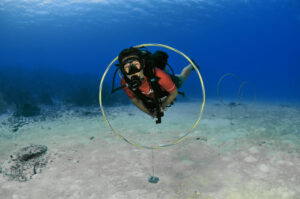
For scuba, a minimum open-water certification is generally appropriate for an exterior tour because the depth is moderate and the wreck is easy to orient around with a guide. Interior swim-throughs change the risk profile because any overhead environment reduces direct access to the surface, so they should be approached conservatively and only by divers with appropriate training, experience, and comfort maintaining buoyancy without contact. Snorkelers and freedivers can enjoy the site from the surface thanks to the shallow superstructure and typically good visibility, but it still demands awareness of boat traffic, currents, and fatigue in open water. Mixed groups often enjoy the same trip when providers brief clear boundaries for where each activity should remain.
Advanced tips and practical insights
Even though the uss kittiwake is accessible, small choices can noticeably improve your experience. Visibility can shift with weather patterns and recent sea state, so the wreck may look dramatically different from one day to the next. Light also matters: because the site is relatively shallow, sun angle affects how much color you capture and how easily you can see into openings. Inside the wreck, good buoyancy is not just about comfort; it protects the site and keeps silt from reducing visibility for everyone behind you. Nearby sand flats can also host stingrays, and respectful observation keeps encounters calm and natural.
- Seasonal conditions can influence clarity; calmer periods often deliver the crispest views of the full profile from the sand.
- For photography, earlier or later light can create strong beams through openings, while mid-day sun can brighten interiors for wide-angle shots.
- Maintain neutral buoyancy before entering any swim-through so fins stay clear of surfaces and silt stays settled.
- If you spot stingrays on adjacent sand, give them space and avoid blocking their path to deeper water.
Frequently asked questions
How deep is the ex-USS Kittiwake, and is it suitable for beginner divers?
The ex-USS Kittiwake typically spans roughly 15 to 60 feet, with the shallowest parts of the superstructure close to snorkel depth and the deeper sand around the wreck near the 60-foot range. That makes it suitable for many beginner divers with open-water certification, especially when the dive is planned as a multi-level profile that spends significant time shallower. Beginners usually enjoy an exterior-focused tour with a guide, staying in open water around the hull and superstructure. Interior areas are an overhead environment and should be approached only with appropriate training and experience.
Can snorkelers and freedivers explore the Kittiwake, or is scuba required?
Scuba is not required to enjoy the Kittiwake. Snorkelers and freedivers can see substantial portions of the wreck because the upper structure sits in relatively shallow water and visibility on the west side of Grand Cayman is often good. From the surface you can typically make out the ship’s outline, openings, and fish activity around the structure. Freedivers with strong comfort in open water may drop down for closer looks at shallow features, but it is important to stay within personal limits and follow the provider’s briefing about where snorkelers should remain for safety and site management.
What does the park fee cover and how do I pay it when booking?
The Kittiwake is managed as a private marine park and the park fee supports site oversight and controlled access, including the managed use of moorings and general upkeep associated with maintaining a high-traffic wreck site. Payment is typically handled through your licensed provider when you book or check in, so you are authorized to enter the park during your visit. Because pricing can differ for divers and snorkelers, confirm the exact amount and whether it is included in the advertised trip cost. If you are booking a multi-site outing, ask how the fee is applied for that day’s itinerary.
What marine life and wreck features can I expect to see on the dive?
You can expect a mix of wreck structure and reef-style marine life. The ship itself provides large surfaces and sheltered areas that attract schools of small fish, along with larger residents that cruise the edges of the wreck. It is common to see reef fish around openings and along the superstructure, with occasional sightings of turtles, barracuda, and other predators using the wreck as a hunting corridor. Visually, highlights include the overall silhouette from the sand, the contrast of shadowed openings against bright water, and the sense of scale as you move along the length of the vessel.
What is the best time of day to visit the uss kittiwake for clear water and photos?
Clear water at the Kittiwake depends more on recent weather and sea state than the clock, but time of day can improve your photos and your comfort. When the sun is higher, ambient light can brighten interior spaces and make colors pop in shallow water, which is helpful for wide-angle shots of the wreck’s structure. Earlier or later in the day can produce more dramatic light rays through openings and stronger contrast along the hull, which many photographers prefer. If you want a calmer experience, earlier departures often mean fewer boats on site and more time to compose shots without congestion.