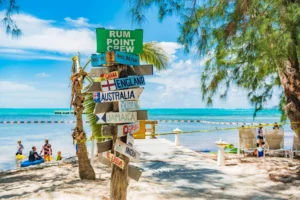
Seven mile beach remains one of the most recognizable stretches of sand on Grand Cayman but the experience today depends on where you set your towel and what the sea has been doing recently. Shoreline change has been most noticeable in certain areas after energetic weather and seasonal swells which can narrow the dry sand and create steeper entry points. Visitors already on Grand Cayman can still plan a rewarding beach day by understanding how conditions vary along the length of Seven Mile Beach and how tides and wind influence water clarity and comfort. This guide focuses on what you are likely to see right now and how to align expectations with the beach as it is today.
Introduction
Seven mile beach is not a single uniform strip from end to end. It is a living shoreline shaped by waves storms and long-term sand movement. Recent years have brought more frequent conversations about erosion and beach management especially in the southern stretches where sand can disappear quickly after strong weather. At the same time the central and northern areas often retain the classic look many travelers expect with bright sand and easy swimming when winds are light. For visitors already in Grand Cayman the most helpful approach is to think in terms of zones and day-to-day variability rather than assuming conditions will match older photos. You can still enjoy long walks clear water and calm swims but it pays to choose access points thoughtfully and to time your visit around tide and wind.
Because Seven Mile Beach fronts many hotels and residences the feel can also shift block by block. Some areas have wider dry sand and gentler slopes while others may have a narrow band of sand at high tide or a sharper drop at the waterline after storms. None of this means the beach is closed or no longer worth visiting. It simply means the best experience comes from matching your plans to current shoreline shape and sea state and staying flexible about where you enter the water.
Today’s beach and water conditions
Shoreline width and sand quality vary across the north central and south portions of Seven Mile Beach. In the north you will often find broader beach in calmer periods with sand that feels slightly coarser in places due to natural mixing and recent movement. The central stretch is where many visitors spend time and it frequently maintains a more continuous band of soft sand though the width can still tighten after strong weather. The south has seen the most pronounced narrowing at times with occasional steep sand edges that can make entry and exit feel less gradual especially near high tide. After a period of calmer seas sand can return and the profile can soften again which is why conditions can look different from week to week.
Water clarity is typically excellent by Caribbean standards but it is not constant. On calm days visibility near shore can look glassy and bright with sandy bottom features easy to see. After windy spells or stronger wave action suspended sand can reduce clarity close to the beach even when it still looks inviting from shore. Water temperature stays comfortable year-round with the warmest conditions generally in late summer and early fall and the coolest in winter when a light breeze can make the water feel brisk at first entry. Wave behavior is usually gentle along Seven Mile Beach but seasonal wind patterns can introduce more chop and short-period waves that affect floating and snorkeling comfort. If you are aiming for the clearest water and easiest swimming conditions mornings often feel smoother before afternoon breezes build.
Planning and logistics
Timing makes a noticeable difference at Seven Mile Beach because tides and wind can change the usable beach and the ease of water entry. When the tide is higher the dry sand narrows and any steeper sections feel more pronounced. At lower tide you may have more room to spread out and a slightly longer shallow wade before deeper water. This is particularly relevant in areas that have experienced recent erosion where the beach can feel tight at peak tide. If you arrive and the stretch in front of you looks narrow do not assume the entire beach is the same. Walking a few minutes north or south can reveal a wider section with a gentler slope.
Access is generally easiest through well-known public entry points and beach-front corridors where you can reach the sand without crossing private spaces. The most commonly used public access is near Public Beach by the Cayman Islands National Museum area along West Bay Road which typically has nearby amenities and a familiar gathering spot. Another reliable entry is around Governors Beach which often provides a straightforward way onto the sand and tends to feel less congested than the busiest central blocks. Because conditions can shift daily it helps to choose access based on what you want that day: a longer walk a quieter swim or a convenient place to meet a boat pickup for an excursion. If you are coordinating a water activity confirm the meeting location and timing ahead of time since sea state can influence how and where boats approach the shoreline.
- Morning visits often bring calmer surface conditions and clearer nearshore water.
- Higher tides can reduce dry sand and make some entry points feel steeper.
- After windy days expect more suspended sand near shore even if the sky is clear.
- Walking a short distance can quickly change the beach width and crowd level.
Seasonally the most noticeable planning factor is wind. Winter trade winds can create more texture on the water and occasional cool evenings while late summer can feel warmer and more humid with very inviting water temperatures. Storm systems can occur at different times of year and when they pass through they can reshape the shoreline and temporarily reduce clarity. If your priority is an easy relaxed swim choose a day with lighter winds and give yourself flexibility to relocate along Seven Mile Beach if the waterline looks stirred up where you first arrive.
Advanced insights for snorkelers and divers
Shore snorkeling directly off Seven Mile Beach can be enjoyable but it is not uniformly reefy from end to end. Much of the nearshore area is sandy with scattered hardbottom and occasional small coral heads rather than a continuous shallow reef. That means the best shore snorkeling tends to be situational: clearer water after calm weather and a willingness to swim out to where structure begins. When wind-driven chop is present the surface can feel busy and the visibility close to shore can drop as sand is suspended. In those conditions a guided boat snorkel can provide a better experience because it places you on sites chosen for clarity and marine life rather than relying on whatever the nearshore looks like that day.
Boat excursions from the Seven Mile Beach area are a common way to reach more consistent snorkeling and iconic stops such as Stingray City in the North Sound. Pickup logistics depend on sea state and the specific departure point and some trips may use nearby docks rather than beach loading when conditions are choppy. If you are planning a snorkeling or sightseeing day with a reputable provider such as Red Sail Sports expect clear communication about meeting points and timing and be prepared for slight adjustments if weather changes. Underwater visibility on boat sites is often stronger than right off the beach after a windy spell since many sites are selected for shelter and water quality.
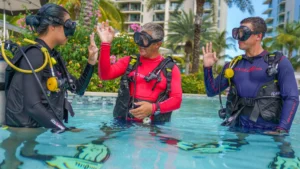
For certified divers staying along Seven Mile Beach the main advantage is quick access to boats heading to Grand Cayman’s signature wall diving. Wall sites can begin in recreational depths and then drop dramatically into deep blue water. Typical profiles vary by site but many wall dives allow you to stay within no-decompression limits while still enjoying the dramatic topography. Currents are usually manageable but can be present and they influence how the dive is conducted and how you will ascend and complete safety stops. Visibility is often excellent and can feel even clearer away from the sandy nearshore zone though it still varies with weather and seasonal conditions.
Certification needs depend on the dive plan and depth. Many wall dives are appropriate for Open Water divers when conducted conservatively with a guide while deeper profiles and certain advanced sites may be better suited to Advanced Open Water or divers with recent experience in deeper water. If you have not dived in a while a refresher can make the experience more comfortable especially when conditions include current or when the wall edge creates a stronger sense of depth. Shoreline erosion on Seven Mile Beach is primarily a beach profile issue and does not automatically translate to poorer offshore diving. However after rough weather you may see more sand in the water near shore and that can affect surface conditions and visibility during pickup and return even when the dive site itself remains clear.
Frequently asked questions
Is Seven Mile Beach still sandy despite ongoing erosion?
Yes Seven Mile Beach is still sandy but the amount of dry sand you see can vary significantly by location and recent weather. The central and northern stretches often retain the classic wide-beach feel during calmer periods while the southern areas have experienced more noticeable narrowing at times. After strong winds or stormy conditions sand can shift quickly creating steeper edges at the waterline and less room at high tide. On quieter weeks sand can return and the slope can soften again. If one section looks narrow walking a short distance often reveals a wider more comfortable area.
When is the water calmest for swimming and snorkeling?
The calmest water is most common on mornings when winds are light and before afternoon breezes build. Seasonal patterns matter as well because winter trade winds can add surface chop more often while late spring and summer frequently bring smoother days though weather systems can still create short-term changes. For snorkeling the calmest conditions are not only about waves but also about clarity since wind and swell can stir sand and reduce visibility close to shore. If you want the easiest float and the clearest nearshore view plan for an early start and choose a day with lighter wind in the forecast.
How do current beach conditions affect shore snorkeling access?
Beach profile changes can influence how easy it feels to enter and exit the water with snorkel gear. When erosion has steepened the shoreline in a particular spot you may encounter a sharper step down into deeper water and less dry sand to stage your fins and mask especially at higher tide. After windy days the nearshore water can also be more turbid from suspended sand which makes the first part of the swim less rewarding. In those situations it can help to relocate along Seven Mile Beach to a gentler entry or consider a boat snorkel where the site selection prioritizes clarity and structure.
What dive sites are accessible from Seven Mile Beach and what certifications are needed?
From the Seven Mile Beach area dive boats commonly reach West Bay and North Wall sites known for dramatic drop-offs and clear water. Many of these dives can be planned within recreational limits and are suitable for Open Water certified divers when conducted conservatively with a guide and appropriate depth control. Deeper wall profiles and certain advanced site choices may be better aligned with Advanced Open Water training or divers with recent experience at greater depths. Conditions such as current can also influence the difficulty level. If you are unsure a refresher or a guided plan focused on comfortable depths can keep the experience relaxed.
Will I notice beach management or restoration activity during my visit?
You may or may not depending on timing and the specific stretch of Seven Mile Beach you visit. Discussions about beach nourishment and other shoreline management approaches are ongoing and when work occurs it is often localized rather than affecting the entire beach. Visitors typically notice the results more than the process such as a wider band of sand in one area or temporary changes in how the shoreline looks after equipment has been on site. Even without active work visible on a given day you can still see signs of recent change like narrower dry sand at high tide or a steeper edge after rough weather.