Travelers seeking last-minute inspiration will find this overview of things to do in Grand Cayman invaluable for planning departures this week. With crystal-clear Caribbean waters and a compact island layout, Grand Cayman offers an array of experiences that can be booked on short notice. From iconic marine encounters to historic sites near the cruise port, this guide provides practical details on duration, estimated cost ranges, and tour essentials. Reserve your spot in advance to make the most of every hour ashore or at your resort, ensuring smooth transitions between snorkeling, beach time, and cultural excursions.
Why Grand Cayman stands out as a clear-water destination
Grand Cayman’s appeal begins with its famously transparent waters, often boasting visibility beyond 100 feet even close to shore. This clarity makes it easy for visitors to spot tropical fish, stingrays, and coral formations without specialized gear. The island’s safety record is equally impressive: well-marked beaches, certified operators, and sheltered bays ensure that both families and solo travelers feel secure exploring marine environments.
Beyond the sea, Grand Cayman maintains a pedestrian-friendly cruise port and resort district that lets visitors maximize each day. A short drive leads to sugar-white sands and quiet coves, while local operators run small-group boat tours for personalized itineraries. Whether you have a half-day between ship schedules or several nights at a beachfront hotel, Grand Cayman’s layout and services cater to tight timelines and spontaneous bookings.
Things to do in Grand Cayman: Essential water experiences
No visit is complete without swimming alongside southern stingrays at Stingray City, an experience that typically lasts two to three hours including boat transfers. Guided tours include snorkeling gear, safety briefings, and light refreshments. Non-swimmers can join shallow sandbar stops, while confident snorkelers dive slightly deeper to explore nearby coral pockets alive with parrotfish and sergeant majors.
Evenings open the door to the island’s bioluminescent bay, where guided kayak and boat tours reveal glowing microorganisms in calm mangrove channels. Tours run after dusk, lasting around 90 minutes, and require reservations to control group size and protect the ecosystem. Most operators supply headlamps, life vests, and paddles, making these night excursions accessible for families and first-timers alike.
Diving options for beginners and certified divers
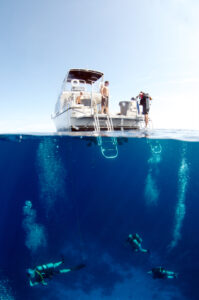
Grand Cayman enjoys a reputation as one of the Caribbean’s premier dive destinations thanks to warm water, stable visibility, and a variety of underwater landscapes. Introductory or “try” dives begin with a thorough in-pool orientation before a shallow open-water session, ideal for those without certification. These half-day experiences include equipment rental, professional dive masters, and typically a single shallow dive to 25 feet.
Certified divers can choose between walls plunging beyond 1,000 feet, historic wreck sites like the USS Kittiwake, and vibrant shallow reefs along Seven Mile Beach. Full-day two-tank trips include boat transport, lunch, and nitrox options. Week-long vacationers often pair introductory dives with advanced courses or night wall dives, ensuring flexibility for every skill level and timetable.
Land attractions and authentic local culture
When you step ashore, George Town’s waterfront promenade offers duty-free shopping, art galleries, and casual beach bars within walking distance of the cruise pier. A short taxi ride brings visitors to historic landmarks such as Pedro St. James, where 18th-century architecture and manicured gardens tell the story of the island’s colonial past. Local museums and street markets provide insights into Caymanian heritage and crafts.
For nature lovers on dry land, the Cayman Turtle Centre is both an educational attraction and a conservation facility, with interactive turtle habitats and shallow lagoons for children to swim. Inland trails like the Mastic Reserve’s boardwalk weave through endemic flora and offer opportunities for birdwatching. These land-based experiences deliver balance to a marine-focused itinerary and can be slotted in between early morning dives or afternoon beach sessions.
Things to do in Grand Cayman for travelers arriving this week often come down to two priorities: getting on the water while conditions are calm and balancing that with a few easy land experiences that do not require a long drive. Grand Cayman is compact and straightforward to navigate from Seven Mile Beach and George Town which makes it realistic to fit a signature boat trip, a reef swim and a cultural stop into a short stay.
This guide focuses on choices you can make once you are already here: where experiences typically depart from, how long they take in real time and what to reserve early during busy weeks. It also highlights options for different comfort levels in the water so you can plan confidently whether you are traveling with kids, you are a new snorkeler or you are aiming to dive walls and wrecks.
Why Grand Cayman is more than just a beach stop
Grand Cayman has the rare combination of clear water, protected reefs and easy access to marine experiences that feel far from crowded even when the island is busy. Seven Mile Beach anchors the west side with calm swimming areas and plenty of services nearby, but the best things to do in Grand Cayman extend well beyond a single stretch of sand. Within a short drive you can shift from resort areas to mangroves, quiet coves and historic sites that explain the island’s maritime past. For travelers arriving this week, the biggest advantage is flexibility: you can choose a half-day boat outing and still have time for a sunset dinner or a quick walk through George Town without feeling rushed.
Timing matters. On days when multiple ships are in port, the George Town waterfront and the most famous water excursions can be busier late morning through early afternoon. If your schedule allows, earlier departures and late-afternoon beach time often feel more relaxed. Weather is usually warm year-round, but sun intensity is high, so planning for shade and hydration is as important as choosing which activity to book.
Essential water experiences and things to do in Grand Cayman
For most visitors, the must-do list starts on the North Sound. Stingray City remains iconic because the setting is genuinely beautiful: shallow, clear water over sand where southern stingrays glide in close. Most trips are designed for mixed groups, including families, and typically run about 2.5 to 4 hours depending on how many stops are included. Departures are commonly from marinas on the west side, so travel time from Seven Mile Beach is usually manageable. Expect a short boat ride, time in waist-deep water and a briefing on respectful handling and spacing around the rays. If you prefer a calmer experience, earlier trips often have a gentler pace.
Snorkeling is another centerpiece of the best things to do in Grand Cayman because you can see vibrant reef life without committing to scuba. Guided boat snorkeling is a good choice if you want a crew watching conditions and helping with gear, especially for newer swimmers. Shore snorkeling can be rewarding too, but conditions vary by day and entry points can be rocky, so it is smart to ask locally about visibility and surface chop before you go. In general, shallow reef areas near the west side are popular for their easier access and calmer water. Look for tours that include flotation aids and clear instructions on how to position yourself over coral without standing or kicking it.
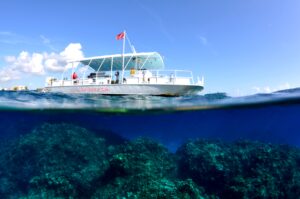
Boat days can also include sandbars, starfish viewing areas and mangrove channels. These combo outings are efficient when you want variety without changing locations repeatedly. Mangrove tours by kayak or small boat add a different perspective, with birdlife and juvenile fish in sheltered water. If you are staying near Seven Mile Beach, you will find reputable providers including Red Sail Sports offering water activities that fit neatly into a half-day schedule, leaving the rest of the day open for the beach or dinner plans.
For a night option, the bioluminescent bay is a memorable change of pace. Visibility depends on natural conditions and moonlight, so the best nights are often darker with less ambient light. Trips are usually a few hours including transit, and they can involve small craft and gentle movement on the water. If anyone in your group is sensitive to motion or has very young children, choose a departure time and vessel style that keeps the experience comfortable.
Diving and snorkeling choices: what to expect this week
Diving is one of the standout things to do in Grand Cayman because the island offers variety in a small area: shallow reefs for easy exploration, dramatic walls for experienced divers and well-known wreck sites. Conditions shift by coastline, with the west side often favored for calmer seas, especially when trade winds affect other areas. Water temperatures are typically warm, and visibility is often excellent, which in practical terms means you can see structure and marine life from farther away and feel less enclosed underwater. That clarity is helpful for new divers and for photographers.
If you are not certified, introductory try dives are a common way to experience scuba under close supervision. These experiences usually begin with skills practice and a clear briefing before a guided open-water dive at a shallow site. They are designed to be controlled and unhurried, but they still require comfort in the water and an honest conversation about medical considerations. Certified divers can look for two-tank trips that mix reef scenery with a deeper profile when conditions allow. Wreck and wall dives can be planned to match experience level, and good dive teams will explain depth, currents and ascent procedures in plain language before anyone enters the water.
Choosing between snorkeling and diving often comes down to time and comfort. Snorkeling is quick to start and easy to repeat across multiple days, while diving offers longer close-up viewing at depth and access to terrain snorkelers cannot reach. If your group is mixed, consider pairing a snorkeling stop with a dive-focused outing on separate days so everyone gets a highlight without feeling pressured. The key this week is to reserve earlier in your stay if diving is a priority, since weather can shift and having a buffer day helps you adjust plans without losing the experience.
- Snorkeling: best for quick reef time and mixed ages, usually 2 to 4 hours total on a boat trip.
- Try dives: best for curious first-timers, typically a half-day with close supervision and shallow depth.
- Certified diving: best for walls and wrecks, often a two-tank morning with a structured briefing and surface interval.
- Kayak or mangrove tours: best for a low-impact water day when you want scenery without open-water swimming.
Beaches, family nature and culture beyond the water
Seven Mile Beach is the classic choice for an easy day because you can swim, relax and access food and shade without much planning. If you want a quieter feel, walk farther from the busiest access points and aim for early morning or late afternoon when the light is softer and the sand is cooler. Smaller coves around the island can be appealing for a short swim and a change of scenery, but they may have limited facilities, so plan to bring water and sun protection. For families, calmer water and easy entry are usually the deciding factors, and it is worth checking conditions the same day rather than assuming a spot will be sheltered.
The Cayman Turtle Centre is a reliable land-and-water hybrid outing, especially if you are traveling with kids or you want a break from boat schedules. It combines education with the chance to see turtles up close, and it is generally easy to fit into a half-day. For a more nature-forward option, consider a walk in the Queen Elizabeth II Botanic Park or a guided hike on the Mastic Trail if you are prepared for heat and uneven ground. These experiences show a different side of Grand Cayman, with native plants, birds and a slower pace that balances high-energy water days.
George Town is the simplest cultural add-on because it is close to the cruise pier and easy to visit in short blocks of time. A waterfront stroll, a museum stop and duty-free shopping can fill a morning or late afternoon, and it is also a practical choice if weather turns breezy for boating. For history, Pedro St. James is one of the most meaningful sites to understand Caymanian heritage and architecture. Cave tours are another popular option when you want a guided experience on land, and they pair well with a beach evening since they do not require a full-day commitment.
Frequently asked questions
Is Stingray City in Grand Cayman safe, and can children join?
Stingray City is widely considered a safe experience when you go with a reputable tour provider that gives a clear briefing and supervises guests in the water. The sandbar is shallow which helps many families feel comfortable, and children can often participate with an adult nearby depending on the tour’s policies. Safety comes from following instructions, moving slowly and giving the rays space rather than crowding them. If anyone is nervous, choose a trip with a calmer pace and ask about flotation aids so everyone can focus on the experience.
Do I need to be a strong swimmer to snorkel or take a boat tour in Grand Cayman?
You do not always need to be a strong swimmer, but you should be honest about your comfort level so the crew can support you appropriately. Many guided snorkel trips provide flotation devices and keep groups close to the boat, and staff can explain how to breathe through a mask and snorkel without rushing. Boat tours that include swimming stops may still require you to enter and exit the water safely, so ask about ladders, current expectations and how long you will be in the water. If you are unsure, choose calmer sites and shorter water time.
What’s the best time of year to visit Grand Cayman for snorkeling and diving?
Grand Cayman can be enjoyable year-round, but conditions and crowd levels change with seasons. Many travelers like the winter and spring months for comfortable temperatures and strong visibility, though these periods can also be busier. Summer often brings warm water and a relaxed feel, while late summer and fall can have more variable weather patterns. For snorkeling and diving, the most important factor is daily sea state, which can shift by coastline. If you are here this week, plan your priority water trips early and stay flexible about which side of the island you visit.
Can I experience scuba diving in Grand Cayman if I’m not certified?
Yes, many visitors try scuba through introductory experiences designed for non-certified participants. These programs typically include a briefing and skills practice before a supervised open-water dive at a shallow site, with an instructor close by throughout. You will be asked about medical history, and some conditions or medications may require a doctor’s clearance, so it is best to review requirements before you arrive at the dock. While it is not a certification course, it can be a meaningful way to see reefs from a diver’s perspective in a controlled setting.
How should I plan a single day in Grand Cayman if I’m visiting on a cruise?
A strong one-day plan usually combines one signature water experience with a simple land stop close to George Town. Many visitors prioritize a morning Stingray City trip that also includes a reef snorkel, then return with time for lunch and a short walk along the waterfront for shopping or a museum visit. If you prefer a slower pace, spend the afternoon on Seven Mile Beach and keep transit time minimal. The main consideration is timing around port crowds, so earlier departures and a clear return window help you enjoy the day without watching the clock.