Cayman island travel tips for your first week on Grand Cayman
Your first week on Grand Cayman sets the tone for the rest of your stay. While the Cayman island reputation often centers on clear water and relaxed beach time, day-to-day comfort comes from a few smart early choices: understanding where things are, timing activities around weather and cruise-ship rhythms and knowing how to move around safely on and off the water. This guide is written for travelers already on Grand Cayman who want to settle in quickly, enjoy signature experiences like Seven Mile Beach and Stingray City and avoid common missteps that can waste a precious morning.
Introduction: your first week on Grand Cayman
Grand Cayman is easy to navigate once you recognize its main districts and what each is best for. Seven Mile Beach is the primary resort corridor with the widest range of restaurants, beach access and water activities. George Town is the commercial center for shopping, banks and many practical errands and it can feel busiest when cruise ships are in port. West Bay sits just north of Seven Mile Beach and is a convenient base for calm-water outings and sunset plans. The East End and North Side are quieter with a more residential feel and longer drives, but they reward you with a slower pace and a different coastline.
On your first day, prioritize a few basics that make the rest of the week smoother. Confirm where your nearest grocery and pharmacy are, note your closest beach access point and check the day’s wind direction so you can choose a sheltered shoreline for swimming. If you plan to spend time on the water, buy reef-safe sunscreen early and start hydrating more than you think you need; the Cayman island sun and breeze can mask how quickly you dehydrate. Finally, get comfortable with local road patterns and roundabouts before you commit to longer drives to the North Side or East End.
Core travel tips for Grand Cayman visitors
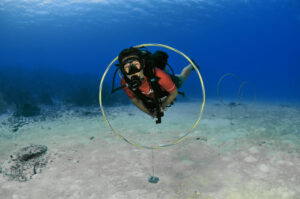
Grand Cayman’s best days usually involve the sea, but small choices have an outsized impact on safety and on the health of the reefs that make the Cayman island experience so memorable. Around coral, avoid standing or kneeling even in shallow water; a single fin kick can break fragile structures that take years to recover. Maintain neutral buoyancy if you dive and keep a respectful distance when you snorkel so you are not tempted to brace yourself. If you see rays in the wild or at Stingray City, give them space and keep movements slow and predictable. Touching marine life can remove protective coatings and it can also lead to defensive reactions, especially when animals feel crowded.
Shore safety matters even on calm-looking days. Choose entry points with clear sand channels rather than climbing over ironshore and watch for boat traffic near popular swim areas. If you are snorkeling, wear a flotation aid if you are not fully confident in open water; it reduces fatigue and helps you keep your face down without sculling with your hands. When conditions change, take them seriously. A freshening breeze can create surface chop that makes breathing through a snorkel uncomfortable and it can increase drift along the shoreline.
Weather should shape your daily plan more than your mood does. Grand Cayman often has passing showers that clear quickly, but wind direction can determine which coast is most comfortable for swimming, snorkeling or boat trips. Mornings are frequently calmer and clearer, which is why many water activities depart earlier. If you wake to stronger winds, pivot to a leeward beach day, a museum visit or a long lunch in George Town rather than forcing a rough-water outing. Keep a flexible mindset: the best Cayman island days are often the ones that adapt to the sea state rather than fighting it.
Planning and logistics for your Grand Cayman stay
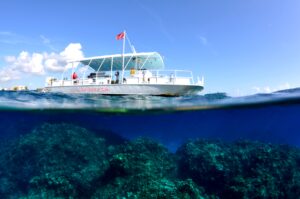
Boat excursions are a highlight of Grand Cayman, but they run on marine time rather than island time. Departures are commonly scheduled in the morning when winds are lighter and visibility is best. Travel time to sites varies by where you leave from and which side of the island is sheltered that day, so expect plans to shift to the most comfortable coastline. On board, space is organized for safety and efficiency: keep walkways clear, secure cameras and avoid moving around while the boat is underway. If you are diving, listen closely to briefings about entry and exit procedures, ladder use and where to stow gear so the deck stays orderly.
Equipment considerations can also affect your schedule. If you are bringing your own mask, fins or dive computer, check them early in the week so you have time to replace a strap or battery. If you are renting gear, arrive with enough time for proper sizing rather than rushing and accepting an uncomfortable fit that can shorten your time in the water. If you want a reliable option for organized water activities, Red Sail Sports is a familiar name on Seven Mile Beach and can be convenient when you prefer a straightforward pickup and departure routine.
Where you stay influences how much of your day is spent enjoying Grand Cayman versus sitting in traffic. Seven Mile Beach is a strong base if you want walkable dining and quick access to popular departures for water activities. Staying near George Town can be convenient for errands and shopping, but it is worth planning around peak congestion. The East End and North Side suit travelers who want quiet evenings and a more local feel, yet you should budget extra driving time for dinner reservations or morning departures. If Stingray City is on your list, staying on or near the western side of Grand Cayman typically reduces transit time and makes early starts feel less demanding.
- Plan water activities earlier in the week to leave room for weather changes later.
- Choose lodging based on how often you want to be on Seven Mile Beach versus exploring quieter districts.
- Allow extra time on cruise-ship days if you need to pass through George Town.
- Keep a buffer between long beach days and early departures so you are not starting tired.
Advanced practical insights for repeat visitors
Repeat visitors often notice that Grand Cayman feels like several destinations depending on season and wind. Water clarity is frequently excellent, but visibility can vary with recent swell, rainfall and boat traffic in popular areas. Winter months can bring stronger trade winds and cooler evenings, which may create choppier surface conditions on exposed coasts even when underwater visibility remains good. In calmer periods, the sea can look deceptively flat and inviting, which is when sun exposure becomes the bigger risk; consistent shade breaks and hydration matter as much as any plan you make for the day.
Sea state and current strength also influence what feels comfortable on a given outing. Some days are ideal for long, relaxed snorkeling sessions with minimal drift. Other days are better suited to sheltered coves or guided trips where the route is chosen to match conditions. If you dive, expect site selection to follow the most protected side of Grand Cayman, especially when winds build. This is not a compromise so much as a feature of the Cayman island geography: the ability to shift coasts helps maintain enjoyable conditions across much of the year. Returning travelers get the most out of the island by staying flexible and letting conditions guide the day’s focus, whether that means a beach afternoon on Seven Mile Beach or a quieter coastal drive when the water is lively.
Frequently asked questions
Are rental cars the best way to get around Grand Cayman?
For many visitors, a rental car is the most convenient way to move around Grand Cayman because it gives you control over meal plans, beach hopping and timing for early departures. It is especially helpful if you are staying outside the Seven Mile Beach corridor or if you want to explore the North Side and East End without relying on limited schedules. That said, driving is on the left and roundabouts are common, so comfort level matters. If you plan to stay mostly on Seven Mile Beach, taxis and short rides can be sufficient.
What should I pack for varied weather and beach days?
Grand Cayman weather is generally warm, but wind and brief showers can change how a day feels, particularly on the water. Pack lightweight layers you can add after swimming, plus a rain shell that fits in a day bag. A wide-brim hat and polarized sunglasses help with glare and comfort, and reef-safe sunscreen is important for both skin protection and reef health. For water time, bring a rash guard to reduce sun exposure and chafing. If you are prone to seasickness, pack medication you know works for you.
When is the best time to book dive trips during my first week?
Booking earlier in your week is usually the best approach because it gives you more flexibility if wind or sea conditions require rescheduling. Morning departures are common and popular, so reserving in advance helps you secure preferred time slots and allows you to plan meals and transportation around them. Diving earlier also supports safer trip timing if you have a flight later in the week, since you will want a conservative buffer between your last dive and flying. If you have not been in the water recently, scheduling a refresher early can also improve the rest of your week.
How can I safely interact with rays at Stingray City?
At Stingray City, safe interaction starts with calm body language and respecting space. Move slowly, keep your hands close to your body and avoid surrounding a ray or blocking its path. Follow the guide’s instructions about where to stand and how to position yourself so you do not step on an animal or lose balance in shifting sand. Do not attempt to grab tails or lift rays out of the water, and avoid sudden splashing that can stress wildlife and other guests. If you are traveling with children, keep them close and help them stay steady and relaxed.
Is the Cayman island experience better on Seven Mile Beach or beyond it?
Seven Mile Beach delivers the classic Cayman island feel with easy swimming, a wide range of dining and a central location for many popular activities. It is a strong choice if you want a simple routine and minimal driving. Beyond Seven Mile Beach, Grand Cayman offers quieter coastlines, smaller local restaurants and a more residential atmosphere, particularly on the North Side and East End. Many repeat visitors enjoy combining both: a few days based near Seven Mile Beach for convenience and a few afternoons exploring other districts for a different pace and scenery.