Cayman kayaks tours in Grand Cayman offer travelers a chance to paddle along serene coastal flats by day and witness a magical bioluminescent display after sunset. Whether you are launching from Rum Point or accessing quieter channels near North Sound, this activity combines adventure with scientific wonder. Guests receive an orientation on technique, safety gear, and environmental etiquette before setting out. With expert guides leading small groups, you can anticipate clear instructions, stable double kayaks, and the thrill of watching your path glow underfoot as tiny organisms respond to each paddle stroke. Early reservations are encouraged to secure limited slots during peak visibility months and optimal moon phases.
cayman kayaks tour options and bioluminescent bay experience
Tour offerings through cayman kayaks range from specialized night paddles in the protected bioluminescent bay to daytime explorations of surrounding mangrove estuaries and shallow coastal flats. Evening excursions begin after twilight, when guides lead small groups in double kayaks to areas with optimal plankton concentration. Participants learn paddling techniques that minimize disturbance to sensitive habitats and maximize glow intensity under each hull. Daytime routes explore winding channels lined with mangroves, offering birdwatching and opportunities to observe juvenile fish in clear shallows. Both experiences are accessible to beginners and seasoned paddlers, with safety briefings covering equipment use, basic navigation, and guidelines for avoiding wildlife interference. Whether you aim to capture glowing streaks in the dark or appreciate the calm of mangrove creeks, cayman kayaks provides adaptable itineraries tailored to varying interests and skill levels.
planning logistics and timing considerations for cayman kayaks tours
Successful cayman kayaks adventures hinge on careful planning of meeting points, transportation, and timing. Most tours launch from Rum Point, with precise GPS coordinates provided upon booking, or require a brief drive north from Seven Mile Beach to the North Sound access road. Check-in protocols typically begin 30 minutes before departure, allowing time for equipment fitting, safety orientation, and pre-trip briefings. Paddles are scheduled around sunset, with peak bioluminescent visibility occurring during the darkest nights closest to new moons. Seasonal factors such as water temperature, wind patterns, and bay flushing cycles influence plankton concentration; local operators recommend booking between late spring and early fall when tropical weather is stable and water clarity is highest. Travelers should confirm availability at least two weeks in advance, and monitor weather forecasts for sudden changes in swells or cloud cover that could impact the glow factor.
safety standards and environmental stewardship for cayman kayaks adventures
Environmental responsibility and safety form the core of the cayman kayaks experience. Each kayak is outfitted with buoyancy aids, LED navigation lights, and marine-grade life jackets calibrated to fit diverse body types. Guides hold certifications in first aid, CPR, and marine wildlife protocols, ensuring that any situation—no matter how minor—is handled with professionalism. Group sizes are limited to eight paddlers to maintain a low-impact footprint and to allow guides to monitor comfort levels and pacing. Participants are instructed to avoid entering delicate seagrass beds and are briefed on treating the plankton with respect, which includes refraining from rapid splashing and discarding any waste. Regular equipment inspections and adherence to local conservation guidelines underscore a commitment to preserving the unique ecosystem of the bioluminescent bay for future visitors.
Cayman kayaks tour options and what to expect at the bioluminescent bay centers on one of the most memorable evening activities in Grand Cayman: paddling across dark, sheltered water where each stroke can trigger a soft blue-green shimmer. Travelers already on island often hear about the glow and want to know what the experience is really like, how to plan around conditions and what to expect from a guided tour. While the bioluminescence is the headline moment, the best outings also include clear safety briefings, respectful wildlife viewing and a low-impact approach that helps protect this special ecosystem.
Introduction
Kayaking in Grand Cayman spans calm, shallow coastal flats and quiet mangrove edges but the signature experience for many visitors is an evening bioluminescent tour on the North Side. In the right conditions, microscopic organisms in the water emit light when disturbed, creating sparkles around paddles, dripping hands and the wake behind a kayak. The setting is typically sheltered compared with open-water paddling, which keeps the focus on the natural display rather than battling waves. Because visibility and comfort depend on timing, weather and group management, choosing a reputable tour and understanding the basics of how the night is run can make the difference between a pleasant paddle and a stressful one.
Cayman kayaks tour options and the bioluminescent bay experience
Most travelers encounter cayman kayaks as a tour concept first and a paddling activity second, since the bioluminescent bay is the main draw. Tours generally use stable sit-on-top kayaks, often doubles, which provide a steady platform in low light and help pairs share the workload. Guides frame the experience with a short introduction to the bay’s ecology and the importance of minimizing disturbance beyond what is needed to see the glow. Expect a relaxed pace with frequent pauses so eyes can adjust to darkness and so the group can spread out enough to enjoy the effect without crowding.
Nighttime bioluminescent kayak tours
A nighttime bioluminescent paddle typically begins with a shore briefing that covers basic strokes, spacing and what to do if you drift off line. Safety measures usually include properly fitted life vests, a guide carrying communication equipment and a lighting plan that balances navigation with preserving darkness. You may see low-intensity marker lights on kayaks or guides using controlled beams only when needed, since bright light can reduce night vision and make the glow harder to notice. On the water, the most vivid moments often come when the group stops paddling and gently stirs the surface with hands or a paddle blade, letting the sparkle build in the stillness.
Daytime coastal and mangrove routes
Daytime routes offer a different side of Grand Cayman kayaking, with clear water, shallow flats and mangrove shorelines that are approachable for beginners and still interesting for experienced paddlers. In daylight, guides can point out juvenile fish, rays in sandy patches and the subtle changes in bottom color that indicate depth. These trips tend to be less dependent on moon phase and can be easier to fit into a busy schedule, especially if you are staying along Seven Mile Beach and want a morning or early afternoon outing. Daytime paddles also provide a useful preview of kayak handling for anyone considering a night tour later in their stay.
Planning and logistics
Because most bioluminescent tours launch from the North Side, planning the evening around travel time is essential. From busier hotel areas, the drive can take longer than visitors expect once you factor in dinner plans, traffic and the need to arrive early. It is also worth thinking about comfort: you will be sitting for a while, possibly with damp clothing, and you will want to keep your hands free for paddling and for enjoying the glow. Booking ahead is strongly recommended during peak travel periods, and choosing a night with favorable darkness can improve the experience more than any gear choice.
Meeting points, transportation and check-in
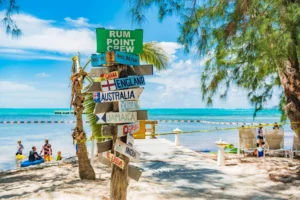
Launch sites are commonly near Rum Point or other North Side access points, where parking is typically straightforward but can fill up close to tour time. Check-in usually involves confirming your reservation, signing waivers and getting assigned to a kayak, with time for a quick paddle lesson if needed. If you are not driving, arrange transportation in advance rather than relying on last-minute availability, since return times can be late and the area is quieter at night. Plan to arrive with enough buffer to settle in, use restrooms if available and listen to the briefing without feeling rushed.
Ideal timing and moon phase impact
Moonlight is one of the biggest variables for bioluminescence visibility. On bright nights, the glow can still appear but it may look subtler because your eyes are competing with ambient light reflecting off the water. Darker windows around the new moon generally provide better contrast and allow the sparkles to stand out more clearly. Seasonal factors matter too: wind can mix the surface and reduce clarity, while calm periods often produce a smoother “canvas” for the light. For the best odds, book early in your trip so you have flexibility to choose a darker night or adjust if conditions shift.
- Dark skies around the new moon usually improve contrast and perceived brightness.
- Calm wind conditions often make paddling easier and the water surface smoother.
- Recent heavy rain can affect water clarity and how the glow presents.
- Earlier and later evening departures can feel different depending on cloud cover and ambient light.
Advanced practical insights
Once you have the basics in place, a few deeper details can help set expectations for cayman kayaks style night tours. The bioluminescent effect is real but it is not a constant neon glow across the entire bay. It tends to appear in bursts where the water is disturbed, and it can vary within the same outing depending on micro-conditions like wind direction and how recently water has circulated through the area. Understanding how guides manage pacing and spacing also helps, since the best viewing often requires quiet moments, controlled movement and enough room for each kayak to create its own trail of sparkle.
Anticipating water conditions and visibility factors
Night tours generally take place in relatively shallow, protected water, which supports a calmer experience than open coastlines. Even so, visibility of the glow can be influenced by water clarity and by how much the bay has “flushed” with outside water, which can temporarily change concentrations of the organisms that create the light. A glassy surface can make subtle sparkles easier to see, while chop can scatter reflections and make it harder for eyes to lock onto the effect. Cloud cover can be helpful by blocking moonlight, but sudden squalls or sustained wind may reduce comfort and can lead to route adjustments.
Group management and pacing on night tours
Comfort in low light is closely tied to how the group is managed. A well-run tour keeps kayaks within a reasonable distance of the guide without clustering so tightly that paddles collide or the experience feels crowded. Expect a steady, moderate pace with planned stops for viewing and for regrouping, especially if some guests are new to kayaking. If you are in a double kayak, coordinating strokes quietly can reduce zig-zagging and conserve energy. Guides often encourage minimal splashing during transit and more deliberate stirring during viewing moments, which helps everyone see the glow without unnecessary fatigue.
Frequently asked questions
Is kayaking to the bioluminescent bay in Grand Cayman suitable for children and older adults?
Many families and multigenerational groups enjoy bioluminescent kayaking in Grand Cayman, especially when tours use stable sit-on-top double kayaks and maintain a relaxed pace. Suitability depends more on comfort in the dark and the ability to sit and paddle for the tour duration than on athletic ability. Children who can follow instructions and remain seated tend to do well, while older adults often prefer being paired in a double kayak so effort can be shared. If anyone has limited mobility, discuss seating, transfers and pacing with the tour provider before booking.
How does the moon phase affect bioluminescent kayak tours, and when is the best time to book?
Moon phase affects how bright the bioluminescence appears because the glow is easiest to see when the surrounding environment is dark. Around the new moon, the sky is typically darker and the contrast between the sparkles and the water surface is stronger, so the effect can look more dramatic. Near a full moon, the glow may still be present but can seem softer to the eye due to reflected moonlight. Booking early in your stay is helpful because it gives you flexibility to choose a darker night and adjust if weather changes.
Do I need prior kayaking experience or strong swimming skills to join a bioluminescent tour?
Most guests do not need prior kayaking experience for a guided bioluminescent tour, since the route is usually in sheltered water and guides provide a short skills briefing before launch. Basic comfort on the water is more important than technique, and double kayaks can make the paddle feel easier. Strong swimming skills are not typically required because life vests are worn, but you should be comfortable wearing one and following safety instructions in low light. If you have concerns about balance, anxiety in darkness or medical conditions, share them in advance.
What happens if weather or water conditions make the bioluminescence weaker than expected?
Bioluminescence is a natural phenomenon and its intensity can vary with moonlight, wind, cloud cover, water clarity and recent circulation in the bay. When conditions reduce visibility, guides usually adjust by seeking darker areas, spacing the group to reduce stray light and focusing on techniques that help the sparkle show, such as stopping to let eyes adapt and gently disturbing the surface. If weather creates safety concerns, routes may be shortened, rescheduled or canceled depending on the provider’s policies. Reviewing cancellation and rescheduling terms before booking helps set clear expectations.
Are there ways to enjoy the experience more comfortably without reducing the natural darkness?
Comfort at night often comes from small choices that do not add extra light. Wearing quick-dry clothing helps you stay comfortable if you get splashed, and securing personal items reduces distractions once you are on the water. Avoid bright phone screens, since they can ruin night vision for you and nearby paddlers, and let your eyes adjust for several minutes after launch. If you are prone to motion discomfort, eat lightly beforehand and bring water. A calm, steady paddling rhythm and quiet pauses usually make the glow easier to notice and the overall experience more immersive.