Cayman animal searches usually point to the caiman, a crocodilian from Central and South America that is sometimes spelled “cayman” in casual use. That spelling overlap can be confusing when you are already in Grand Cayman and trying to understand what the animal is and whether it has any relevance to local waters. This guide clarifies what caimans are, where they live, how they behave and what realistic safety considerations look like for travelers spending time on beaches, boats and dive sites around Grand Cayman.
Introduction
The cayman animal, more accurately called a caiman, is not a Caribbean sea creature and it is not part of the natural wildlife you would expect to encounter around Grand Cayman. It is a freshwater and wetland reptile closely related to alligators. Online results often prioritize definitions, habitat and danger level because people commonly want to know whether a caiman is “like a crocodile” and whether it poses a risk. For travelers, the most useful approach is to separate the animal’s real range and behavior from the marine environment you are exploring in the Cayman Islands, then apply the same general wildlife principles that keep interactions safe and respectful anywhere.
Cayman animal facts and habitat
Caimans are crocodilians with a reputation shaped by their powerful jaws, stealthy hunting style and the presence of very large species such as the black caiman. Like other crocodilians, they are well adapted to ambush predation, spending long periods still in the water with only eyes and nostrils exposed. They are also ecologically important in the wetlands where they live, influencing prey populations and creating habitat features used by other animals. Understanding the cayman animal starts with taxonomy and body form, then moves naturally into the rivers and floodplains that define its world.
Taxonomy and physical characteristics
Caimans belong to the family Alligatoridae, the same family as the American alligator, and are generally grouped within the caiman line (often referred to as Caimaninae). They are typically smaller than many true crocodiles, though size varies widely by species. Commonly encountered caimans in their native range may be roughly 1.5 to 2.5 meters long, while the black caiman can reach much larger lengths and is among the biggest predators in parts of the Amazon basin. Physical traits vary, but many caimans have armored skin with pronounced bony scutes and a broad snout suited to gripping slippery prey.
Native habitat and geographic range
The cayman animal is native to freshwater and brackish wetland systems across Central and South America. Typical habitats include slow-moving rivers, oxbow lakes, flooded forests, marshes and swamps where vegetation provides cover and prey is abundant. Seasonal flooding is a major driver of caiman ecology in places like the Amazon and Orinoco basins, expanding hunting areas and dispersing juveniles into shallow wetlands. Some species tolerate a range of water conditions, including turbid channels and mangrove edges, but they remain tied to inland waters rather than open ocean environments.
Behavior, diet and human interactions
Caimans are often most active from dusk through night, using low light to hunt along shorelines and in shallow water. Their diet is opportunistic and shifts with size: smaller individuals take insects, crustaceans and small fish, while larger animals add birds, reptiles and mammals when available. Human interactions vary by region and context. In remote wetlands, caimans usually avoid people, but any large crocodilian can be dangerous if approached, fed or surprised at close range, especially near nesting areas. Risk is best understood as situational: proximity, animal size and human behavior matter more than sensational stories.
Planning and logistics for travelers
If you are in Grand Cayman, the most practical takeaway is that caimans are not part of the local marine scene. The Cayman Islands are known for clear offshore waters, reefs and wall diving rather than the riverine wetlands that caimans require. Travelers sometimes connect the word “cayman” to the islands and assume the cayman animal might be nearby, but that is a naming coincidence rather than a wildlife expectation. Planning your time on the water is still worth doing thoughtfully, because responsible wildlife viewing applies to everything you may see while snorkeling, diving or boating.
Encounter likelihood in the Cayman Islands
True caimans are not native to Cayman waters and sightings around Grand Cayman are improbable. Their core habitats are inland rivers, swamps and floodplains in Central and South America, not open marine coastlines. In the Cayman Islands, the wildlife you are more likely to notice near shore or on reefs includes turtles, rays, reef fish and occasional sharks in appropriate habitats. If you hear secondhand stories about “caymans” locally, they are often misunderstandings of the term, misidentifications or references to crocodilians elsewhere in the region rather than a realistic expectation for your time in Grand Cayman.
Dive briefings and wildlife protocols
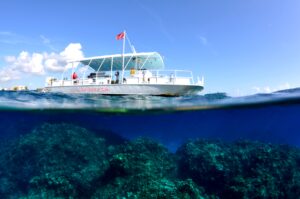
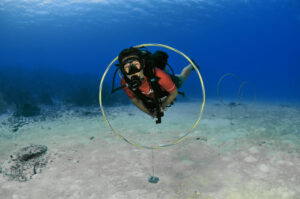
Dive briefings in Grand Cayman typically emphasize calm, predictable behavior around marine life and the importance of protecting the reef. You can expect guidance on maintaining neutral buoyancy, keeping fins and equipment off corals and giving animals space so they can continue natural behavior. Many shops also reinforce that feeding wildlife changes behavior and can create unsafe patterns around boats and popular sites. If you are diving with a provider such as Red Sail Sports, the briefing commonly frames wildlife encounters as observational, with the guide setting the pace and positioning to minimize stress on animals and avoid crowding.
- Maintain a respectful distance and let animals choose their path.
- Avoid touching marine life or the bottom to prevent harm and injury.
- Do not feed animals or chase them for photos.
- Follow the guide’s signals and stay aware of your surroundings.
Advanced practical insights
Beyond basic facts, the cayman animal is closely tied to conservation history and modern wildlife tourism ethics. Caimans were heavily hunted in many regions for their hides, and pressures from habitat change and illegal trade have affected populations unevenly across species and countries. Protections and management have improved outcomes in some areas, but the broader lesson for travelers is that wildlife viewing has consequences. Ethical observation means prioritizing the animal’s welfare and the ecosystem’s health over close approaches, staged interactions or activities that alter behavior. That mindset translates well to Grand Cayman’s marine environment, where reefs and animals respond quickly to repeated human pressure.
Conservation context and ethical observation
International trade in crocodilian products is regulated under CITES, which helps control cross-border commerce and supports monitoring of vulnerable populations. While some caiman species are relatively widespread, local declines have occurred where hunting and habitat loss were intense, and recovery depends on enforcement and habitat protection. Ethical wildlife tourism avoids creating demand for illegal products and avoids experiences that rely on harassment or feeding. In practice, the most responsible approach is to observe quietly, keep interactions brief and natural and choose providers that emphasize conservation messaging and low-impact behavior in the water.
Frequently asked questions
Is a caiman the same as an alligator or crocodile?
A caiman is a crocodilian, but it is not exactly the same as an alligator or a crocodile. Caimans and alligators belong to the same family, Alligatoridae, which generally have broader snouts than many crocodiles and different tooth and jaw characteristics. Crocodiles belong to a different family and include many species adapted to a variety of freshwater and coastal habitats. In everyday conversation, people may use “cayman animal” when they mean caiman, but the correct term is caiman and it refers to specific species native to Central and South America.
Can I see caimans in the Cayman Islands?
Seeing true caimans in the Cayman Islands is highly unlikely because caimans are not native to local waters and they depend on freshwater wetlands such as rivers, swamps and floodplains. Grand Cayman is best known for marine habitats like reefs and wall drop-offs rather than the inland wetland systems where caimans thrive. If your goal is wildlife viewing while you are already in Grand Cayman, focus on what the island reliably offers such as turtles, rays and reef fish and follow local guidance for respectful observation.
How dangerous are caimans to people?
Caimans can be dangerous under the wrong conditions, especially larger individuals and particularly if people approach too closely, attempt to handle them or feed them. Like other crocodilians, they are capable ambush predators with powerful bites and they may defend territory or nests. In most natural settings, caimans tend to avoid humans when given space and conflict is more likely where animals become habituated to people or where visibility and escape routes are limited. The safest approach anywhere in their range is to keep distance, stay out of the water in known caiman habitat at night and follow local advisories.
What should I do if I spot a large reptile near water?
If you spot a large reptile near water, treat it as potentially dangerous and prioritize distance and calm behavior. Do not approach for a closer look, do not attempt to feed it and do not try to herd it back into the water. Give it a wide berth and keep children and pets well away from the shoreline. If you are in a managed area, notify local authorities or on-site staff so they can respond appropriately. In Grand Cayman, a report is still appropriate because unusual sightings may involve an escaped animal or a misidentification that needs clarification.
What animals might people confuse with a cayman animal in Grand Cayman?
In Grand Cayman, confusion usually comes from the name rather than a real overlap in wildlife, but people sometimes misidentify marine animals when they only catch a brief glimpse. A turtle surfacing, a nurse shark resting on sand or even a ray moving along the bottom can look unfamiliar from a distance, especially in low light or choppy water. The best way to reduce concern is to rely on local briefings and ask guides to confirm what you saw. Underwater, steady observation and giving animals space usually makes identification easier and keeps encounters relaxed.