As travelers currently enjoying Aruba, planning a Caribbean itinerary often raises the question of whether to include seven mile beach cayman islands in Grand Cayman. Seven mile beach cayman islands is renowned for its soft white sand, clear turquoise water, and award-winning status among top global beaches. Visitors can expect a sun-drenched shoreline that stretches just under six miles, calm seas suitable for families, and a vibrant tourism corridor lined with resorts, restaurants, and water-sports operators. If you’re weighing your next move after Aruba, understanding what to expect here will help you make informed decisions about lodging, activities, and the logistics of getting there.
What to expect at seven mile beach cayman islands
Seven Mile Beach in Grand Cayman lives up to its reputation for powdery sand, mild waves, and consistently warm water. Despite its name, the stretch runs closer to 5.5 miles, and most visitors concentrate along a three-mile central zone where resorts and public access points cluster. The beach earned top rankings in Caribbean beach lists for its gentle shoreline, which slopes gradually into clear water up to 30 feet deep, ideal for casual snorkeling and wading. Unlike the quieter coves of Rum Point or the sheltered lagoons of North Sound, this destination combines scenic beauty with easy access to amenities, making it popular among families, couples, and cruise-ship travelers looking for both relaxation and convenience.
Swimming, snorkeling and water activities
Water enthusiasts find plenty to do at Seven Mile Beach. Swimming conditions remain mild year-round, with average water temperatures between 78°F and 85°F. Shoreline snorkeling reveals patch reefs loaded with parrotfish, sergeant majors, and occasional juvenile turtles. Many operators launch guided snorkel tours directly from the beach, allowing visitors to explore offshore reefs without a long boat ride. For a change of pace, catamaran sails offer sunset cruises, while stingray encounters launch from adjacent docks, delivering up-close experiences with friendly southern stingrays. Jet-skiing, paddleboarding, and kayaking rentals line the beach; each operator provides safety briefings, life jackets, and simple instructions. Whether you prefer a self-guided swim or a guided dive, the clear visibility—often 60-100 feet—ensures memorable encounters with marine life.
Getting around and practical logistics
Access to Seven Mile Beach is straightforward whether you arrive by air or sea. Owen Roberts International Airport lies about a 15-minute drive south, with taxis and car rentals available on arrival. Cruise-ship passengers dock near George Town, from which a quick taxi ride of five minutes leads to multiple public access points. Parking is free at several beach parks, which include restrooms and outdoor showers. Local buses run along the beachfront road at low fares, while taxis offer flat rates to major resorts and dive shops. If you plan to connect with dive or snorkel operators, most meeting locations are within a ten-minute walk of the sand. Booking activities in advance is recommended, especially during high season, to secure preferred times for boat departures and guided tours.
Seven mile beach cayman islands is the stretch of shoreline most travelers picture when they imagine Grand Cayman: bright sand, clear water and an easy rhythm of beach time mixed with restaurants and on-the-water activities. If you are already on Grand Cayman, the biggest advantage is convenience. You can swim and snorkel close to shore, join a boat trip without a long drive and still be back in time for a relaxed dinner. The beach is lively in places and quieter in others, so knowing what to expect helps you choose the right access point and the right time of day.
Although it is called Seven Mile Beach, the continuous sandy shoreline is closer to 5.5 miles. The coastline is public, even where resorts sit behind it, and conditions can vary by season and by the day’s wind. The guidance below focuses on what matters once you are on island: where the water tends to be calmest, how to approach snorkeling safely and how to get around without losing half your day in transit.
What seven mile beach cayman islands is like on the ground
Seven mile beach cayman islands runs along the west side of Grand Cayman, just north of George Town, and it functions as the island’s main tourism corridor. The sand is typically fine and pale and the water often looks shallow and turquoise near the edge before deepening to richer blues farther out. Many visitors notice how comfortable the entry can be for swimming, with a gradual slope in many areas and generally good visibility on calm days. That said, the shoreline is not identical end to end. Some stretches feel more active with more people, more watercraft and more nearby services, while other stretches feel more residential and quieter.
Because the beach is long and developed, your experience depends on where you set up. Areas near larger hotels tend to have more activity nearby and easier access to food and shade, while less central stretches can feel calmer but may require you to bring more of what you need. Beach width can also change over time due to natural coastal movement and weather, so a spot that feels expansive one month may feel narrower after a period of stronger seas. If you are choosing a place to spend several hours, it is worth walking a few minutes in either direction to find the balance of space and amenities that matches your day.
Swimming and snorkeling on seven mile beach cayman islands
For swimming, Seven Mile Beach is often at its best in the morning when winds are lighter and the surface is smoother. On calm days, the water can be clear enough to see sandy patches and small fish close to shore. If you are traveling with children or anyone who prefers gentle conditions, look for areas with fewer watercraft moving through and give yourself room away from any marked channels. Even on a generally calm coast, conditions can shift quickly with wind direction, passing squalls or boat traffic, so it helps to treat each swim as a fresh assessment rather than assuming it will match yesterday.
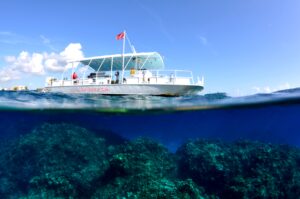
Shore snorkeling can be enjoyable but expectations should be realistic. Much of Seven Mile Beach is sandy nearshore, so the most interesting marine life is often around any natural structure, rocks or patches of hard bottom rather than straight out from the widest sandy sections. Visibility is typically best when the sea is calm, and it can drop when waves stir up sand. If you want a higher chance of seeing larger schools of fish or more varied reef life, a boat-based snorkel trip can place you over healthier structure in clearer water, which is why many visitors combine a beach day with a short excursion. Red Sail Sports is one of the established options on Grand Cayman for organized snorkel and sail experiences departing from the Seven Mile Beach area.
Comfort and safety improve when you plan around the environment. Sun intensity is strong even when it feels breezy, and dehydration happens faster than many travelers expect. If you are snorkeling, consider a flotation aid if you are not fully confident in open water, and keep your group close enough to communicate without shouting. Give yourself extra time to exit the water if there is any shore break, and avoid standing on coral or kicking up sand near marine life, which reduces visibility for everyone and can damage fragile habitat.
Things to do beyond the sand: boat trips and water sports
Seven Mile Beach is not only a place to sit by the water; it is also a convenient launch point for getting out on it. Many travelers mix a few hours of swimming with an afternoon on a catamaran or a snorkel trip that reaches sites with more structure than you will usually find from shore. Sunset outings are popular because the west coast light can be excellent, and being on the water can feel cooler and less crowded than the beach at peak midday. If you are trying to fit activities into a short stay, choosing experiences that depart from the Seven Mile Beach corridor reduces transit time and keeps your day flexible.
Water sports are widely available along this coast and the best choice depends on the day’s conditions. When the sea is smooth, paddleboarding and kayaking feel relaxed and scenic, while windier days can make those activities more physically demanding and can push you farther down the beach than expected. Parasailing and similar activities are highly weather dependent, so it is normal for schedules to adjust. If you are deciding how to spend a single day, these are common pairings that keep the pace enjoyable without feeling rushed:
- Morning swim and a long beach walk, followed by a midday snorkel trip
- Beach time with a late-afternoon sail timed for sunset
- Short shore snorkel session, then paddleboarding close to the shoreline on a calm day
- Relaxed beach morning, then a stingray-focused excursion that returns with time for dinner
For dining and breaks, the Seven Mile Beach area has a dense concentration of restaurants, cafés and casual beachside options within a short drive or walk depending on where you are staying. This makes it easy to step off the sand for a proper meal rather than relying only on snacks. If you plan to be in the water for several hours, a real lunch and a shaded rest can make the second half of your day safer and more comfortable.
Getting around and accessing seven mile beach cayman islands
From George Town and the cruise port area, Seven Mile Beach is a short ride north along the west coast, and from Owen Roberts International Airport it is typically a straightforward drive depending on traffic. Once you are in the corridor, getting around is usually easiest by taxi, rental car or public bus, with buses running along the main road behind the beach. If you are moving between a hotel, a restaurant and an excursion departure point, taxis can be convenient and predictable, especially if you would rather not think about parking. If you are staying on or near the beach, walking can be surprisingly practical for short distances, particularly in the cooler parts of the day.
Public access is a common concern because so much of the shoreline is fronted by resorts. The key point is that the beach itself is public, but entry points are concentrated. Some access paths are near public areas and some are near commercial properties, and the easiest approach is to choose a destination nearby such as a public beach area or a well-known restaurant and then walk along the sand once you are there. If you are driving, parking availability varies by location and time of day, so arriving earlier can reduce the time spent circling. For excursions, confirm the meeting location and allow extra time for traffic and for finding the correct check-in point, especially during busy seasons.
Facilities also vary. Some areas have restrooms and places to rinse off nearby, while quieter stretches may not. If you are planning to swim and then head straight to a restaurant, bring a light cover-up and a small towel so you can transition comfortably. For a smoother day overall, it helps to choose one primary base area on Seven Mile Beach and build your swimming, snorkeling and dining around that zone rather than trying to cover the entire coastline in one outing.
Frequently asked questions
Is Seven Mile Beach really seven miles long?
Despite the name, Seven Mile Beach is generally described as being closer to 5.5 miles of continuous sandy shoreline. The name is historical and the exact length you experience can also feel different depending on where you start and stop and how beach width changes with weather and seasonal conditions. For visitors, the practical takeaway is that it is still a long beach with plenty of space to spread out, and it is walkable in sections if you want a scenic stroll without committing to the full distance.
Is Seven Mile Beach public, and how can I access it if I am not staying beachfront?
Yes, the shoreline is public on Grand Cayman, including along Seven Mile Beach, even where hotels and condos sit behind it. What can be confusing is that access points are not evenly spaced, so you may need to enter at a public beach area or a recognized access path and then walk along the sand to the stretch you want. If you are arriving by taxi, it helps to name a specific nearby destination rather than saying only the beach. If you are driving, plan around where parking is available.
Where is the best part of Seven Mile Beach for snorkeling?
Snorkeling quality along Seven Mile Beach can vary because much of the nearshore area is sandy, and marine life tends to gather around structure rather than open sand. On calmer days you can still see small fish close to shore, especially where there are patches of hard bottom, but expectations should stay modest compared with dedicated reef sites. If your priority is seeing more variety, a boat-based snorkel trip can place you over healthier structure in clearer water and can be a better use of time than searching from shore.
What are water conditions like throughout the year on Seven Mile Beach?
Conditions on Seven Mile Beach are often calm and clear, especially during periods of lighter wind, but they are not the same every day or every season. Wind direction and strength influence surface chop and visibility, and stronger seas can stir up sand and reduce clarity for snorkeling. Water temperatures stay warm for most travelers year-round, with slightly cooler periods in winter months. During hurricane season, weather systems can bring rougher conditions and schedule changes for water activities. Checking the forecast and being flexible with timing helps.
Can beginners join snorkeling or diving trips departing from the Seven Mile Beach area?
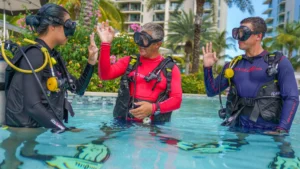
Beginners commonly join snorkeling trips from the Seven Mile Beach area, and many excursions are designed for a wide range of comfort levels with flotation options and guided supervision. For diving, requirements depend on the type of experience. Certified divers will need to show proof of certification for most dives, while some providers offer introductory experiences for non-certified participants under close professional supervision. Age minimums and medical considerations can apply, and conditions on the day may affect suitability. Confirm details when booking so the trip matches your experience level.