Seven mile beach today what to expect and where erosion is most noticeable
Seven Mile Beach remains one of the most recognizable shorelines in Grand Cayman, but it is not a uniform strip of sand from end to end. Conditions can change noticeably after winter swells or tropical systems, and the differences between the southern, central and northern stretches are often what visitors feel most in day-to-day beach time. If you are already on island, the most useful approach is to plan around what the beach looks like right now: where the sand is widest, where entries are easiest and where the shoreline has become steeper or narrower.
Introduction to Seven Mile Beach today
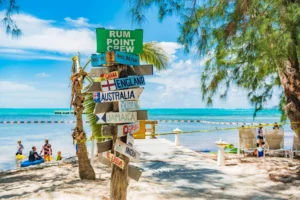
Seven Mile Beach is a long crescent on the west side of Grand Cayman with clear water, generally gentle surf and easy access from many hotels and condos. What surprises some travelers is how quickly the shoreline profile can shift. After energetic weather, sand can be pulled offshore, leaving a higher dry-sand edge and a sharper step down near the waterline. In calmer periods, sand often returns and the beach feels broader and flatter again, especially in the central stretch. Because the beach is managed by multiple adjacent properties and shaped by natural currents and wave direction, you can see very different conditions within a short walk.
Current beach conditions matter because they directly affect how comfortable your day will be. A narrow beach at high tide can limit space for towels and chairs, while a pronounced sand ledge can make wading in less graceful for small children or anyone with limited mobility. For swimmers and shoreline snorkelers, the shape of the entry influences footing and visibility, and it can determine whether you will enjoy a smooth sandy walk-in or encounter exposed rock and a quicker drop. Paying attention to the day’s tide and recent weather helps you choose the most pleasant section of Seven Mile Beach for swimming, sunbathing and nearshore exploring.
Beach erosion and condition hotspots
Erosion along Seven Mile Beach is discussed frequently because it is easy to notice where development sits close to the water and where protective structures interrupt the natural movement of sand. Storms and strong swells can accelerate short-term losses, and some areas recover more slowly than others. Think of the beach as a set of connected zones rather than a single consistent surface. If one section is narrow or steep, another section a short drive away may still feel wide and forgiving underfoot. This variability is why it helps to pick your beach base based on today’s conditions rather than a single photo or memory.
Southern section: steep drop-offs and sea walls
The southern end is where you are most likely to notice the dramatic effects of recent storms. In places, sand ledges become visible, creating a step between the dry beach and the wetter shoreline. Sea walls and hardened edges protect adjacent properties, but they can also reduce the amount of usable sand at high tide, making the beach feel squeezed. When the waterline reaches these structures, walking can become awkward and the remaining sand can be softer and more uneven. If you are spending time in the south, be cautious near high tide and after rough weather, when the slope can be steeper and the transition into deeper water can feel more abrupt.
Central and northern sections: stable sands versus beachrock
The central stretch of Seven Mile Beach typically retains a more consistent sand width, which is why it often feels like the classic postcard experience. Entries are commonly sandy and gradual, and the nearshore zone is usually comfortable for floating and casual swimming. Farther north, you may encounter intermittent beachrock exposures, which can appear as darker, firmer patches near the waterline. These areas are not inherently unsafe, but they can be slippery and they change the feel of a walk-in snorkel. Water conditions in the central and northern areas are often calmer for relaxed surface time, especially on mornings when the sea is glassier and visibility is at its best.
Practical beach and dive advice
For most travelers already in Grand Cayman, the goal is simple: find a section of Seven Mile Beach that matches your plans that day. If you want a long sunbathing session, prioritize width and shade options. If you want easy swimming, look for a gentle sandy entry and avoid spots where a ledge has formed. If you are hoping to snorkel from shore, choose a calmer area and be realistic about what nearshore snorkeling can deliver compared with boat-access sites around the island. Conditions also shift during the day as wind builds, so the same entry that feels effortless at 9 a.m. can feel choppier and less clear by mid-afternoon.
Best spots for swimming, sunbathing and snorkeling
Beachgoers usually have the easiest time near the central hotels, where the sand is often wider and the shoreline is maintained for daily use. These areas tend to have shallow sandy entries that suit families and anyone who prefers a gradual wade. For snorkeling, calmer northern pockets can be more comfortable because you are less likely to be pushed around by wind chop, and the water can stay clearer earlier in the day. Even then, expect variability: after a swell, sand can be suspended and visibility can drop. If you are choosing between sections, these factors usually matter most:
- How steep the entry feels at the waterline, especially if a sand ledge is present
- Whether beachrock is exposed where you plan to wade or snorkel
- Wind direction and how quickly surface chop is building
- Tide height and how much dry sand remains for comfortable lounging
Shore versus boat access for dives and tours
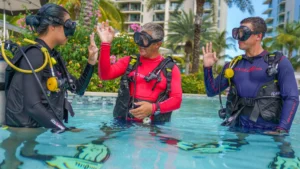
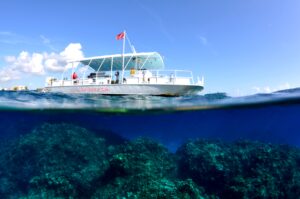
Shore entries along Seven Mile Beach can be limited in areas affected by erosion, particularly where the beach narrows and the nearshore profile becomes steeper. That does not mean you cannot enjoy the water, but it does mean you should choose your entry carefully and avoid forcing a plan if footing looks unstable. Many dive and snorkel outings depart by boat, which reduces dependence on shoreline conditions and opens access to clearer water and more varied sites. Departures from central beach docks are common, and morning outings often benefit from lighter winds and smoother seas before afternoon chop develops. When you are coordinating water time, it can be helpful to check in with providers such as Red Sail Sports for the day’s sea state and visibility expectations.
Planning your visit: key logistics
Even if you are staying directly on Seven Mile Beach, small timing and access decisions can improve your day. Mornings often bring calmer seas and better visibility, which is valuable for swimmers who prefer smooth water and for snorkelers who want the clearest view. By afternoon, trade winds can add texture to the surface and make floating and easy snorkeling feel more work-intensive. Tides also shape the experience: a higher tide can reduce the usable sand in narrower sections, while a lower tide can reveal more beachrock in the north. If you are moving between sections, plan for short drives rather than assuming a continuous wide walking path at all tide levels.
Optimal timing, parking, amenities and weather considerations
Public access points and beach parks provide practical entry to Seven Mile Beach if you are not directly beachfront. Parking is limited at peak times, so arriving earlier can save time and help you claim a comfortable spot before the sun is high. Amenities vary by access point, and the most convenient areas tend to be near the central stretch where services are concentrated. Weather awareness is essential in Grand Cayman, particularly during tropical storm season when swell and wind can change quickly. A calm, sunny morning does not always predict an easy afternoon, so keep an eye on local surf forecasts and any marine advisories before committing to longer water sessions.
Advanced insights and safety pro tips
Seven Mile Beach is often a base for exploring Grand Cayman’s underwater highlights, and understanding a few local patterns helps you match expectations to conditions. Visibility can be excellent, but it is not constant; it shifts with wind, swell and seasonal weather. After frontal passages, currents can strengthen and surface conditions can become more energetic, which affects comfort for snorkelers and can influence where boats choose to go. If you are planning deeper dives, remember that offshore wall environments are a different world from the gentle nearshore zone. The beach might look calm while conditions farther out require more experience and attentive supervision.
Seasonal visibility, wall diving depths and current variations
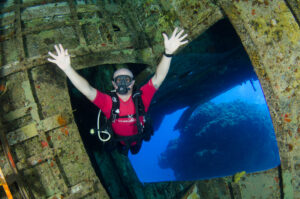
Offshore wall dives near Grand Cayman commonly range around 60–100 feet depending on the site and the plan for the group, and they can feel dramatically different from shallow reef time. Visibility often falls in a broad range, roughly 60–150 feet by season and weather, with the clearest days typically arriving when winds are lighter and swell is minimal. Currents are not constant, and they can be stronger after frontal passages or when wind persists for several days. For travelers, the practical takeaway is to stay flexible: if conditions are less favorable on one day, another morning can deliver a noticeably calmer surface and clearer water.
Stingray City etiquette and responsible beach enjoyment
Stingray City is a signature experience in Grand Cayman, and respectful behavior keeps it safe for both visitors and animals. Maintain a considerate distance unless you are in the designated shallow areas where guided interactions are managed, and avoid crowding rays or blocking their movement through the sand. Follow guide direction closely, especially regarding how to hold your hands and where to stand, since sudden movements can startle wildlife and increase the chance of accidental contact. Back on Seven Mile Beach, responsible enjoyment includes giving space to nesting or resting wildlife, avoiding stepping on exposed beachrock where it is slippery and leaving the shoreline cleaner than you found it.
Frequently asked questions
Is Seven Mile Beach in Grand Cayman still sandy despite erosion?
Yes, Seven Mile Beach is still sandy in Grand Cayman, but the amount of dry sand you see can vary by section and by recent weather. After strong swells or storms, sand can be pulled offshore and the beach may look narrower, especially toward the southern end where hardened shorelines are more common. In calmer periods, sand often returns and the central stretch typically feels broader and more consistent. If your first stop looks steep or tight at high tide, it is often worth relocating a short distance to find a wider sandy area.
Which part of Seven Mile Beach has the widest sand today?
The widest sand is most often found in the central stretch of Seven Mile Beach, where the shoreline commonly maintains a more consistent beach width. This is also the area where many travelers find the easiest entries for swimming and the most space for sunbathing. That said, “today” depends on tide height and recent swell direction, so the best approach is to take a quick look at the waterline and the dry-sand zone when you arrive. If the beach feels narrow, try another nearby access point before settling in.
How do beach conditions affect snorkeling and shore dives?
Beach conditions influence how comfortable it is to enter and exit the water and how clear the nearshore visibility will be. A steep sand ledge can make wading in more difficult, and exposed beachrock can be slippery underfoot and may limit where you want to put on fins. After rough weather, stirred-up sand can reduce visibility close to shore even if the water looks inviting from the beach. If you want more consistent conditions, boat-based snorkeling or diving can reach sites with clearer water and less dependence on the shoreline profile.
What safety measures should I know before visiting Seven Mile Beach?
Pay attention to the day’s wind and surf because conditions can shift quickly, especially later in the day when chop builds. Choose an entry point with stable footing, and avoid forcing a walk-in where a sand ledge is steep or where beachrock is exposed and slick. Keep an eye on children near sharper drop-offs, and remember that high tide can reduce the amount of usable beach in narrower sections. If you are joining a water excursion, follow crew guidance on entries, exits and marine-life interaction, and do not hesitate to adjust plans if conditions change.
Why do some searches show Seven Mile Island instead of Seven Mile Beach?
The name “Seven Mile” is used in more than one coastal location, including Seven Mile Island in New Jersey, which appears in some scientific and mapping results. Seven Mile Beach in Grand Cayman is a different place entirely, and it is the one associated with the well-known Caribbean shoreline and resort corridor. To avoid confusion when researching conditions, include “Grand Cayman” in your search terms and look for references to West Bay, George Town and Cayman Islands weather patterns. This helps filter out unrelated coastal studies from other regions.