Stingray encounters are one of the signature on-the-water experiences in Grand Cayman because the island’s clear, shallow banks create ideal conditions for close viewing. Seeing a stingray glide in from the sand is memorable, but it is also an interaction with a wild animal that deserves calm handling and basic awareness. Most concerns travelers have are straightforward: whether stingrays are dangerous, how deep the water is, what the sting feels like, and what happens if something goes wrong. With a few practical habits and a well-run tour environment, the experience is typically relaxed, controlled, and focused on respectful observation.
Introduction: Stingray encounters in Grand Cayman
In Grand Cayman, stingray experiences are closely tied to sheltered sandbar areas where visibility is often excellent and the bottom is predominantly sand. That combination makes it easier to see where you are placing your feet and to watch rays approach without sudden surprises. The popularity of these outings also means that many visitors arrive with mixed expectations shaped by online stingray facts and stingray sting stories. Both are relevant: stingrays are not aggressive hunters of people, but they do have a defensive spine and they can injure someone if they feel trapped or are accidentally stepped on. Safety matters because it protects guests and it reduces stress on the animals, which is essential for an encounter that remains sustainable and enjoyable in Grand Cayman.
Understanding stingrays and safety considerations
Stingrays are flat-bodied rays that spend much of their time cruising over sandy areas or resting on the bottom, sometimes partially covered by sand. Their eyes sit on top of the body and their mouth is underneath, which is why they can appear calm and still while remaining alert to movement above them. In the wild, most negative contact happens when a person unknowingly steps too close or corners a ray in very shallow water. The goal during a Grand Cayman encounter is to keep the space predictable: slow movements, clear positioning, and a steady pace in the water help rays remain unalarmed and help guests avoid accidental contact.
Stingray behavior and defensive mechanisms
A stingray’s barb is a defensive tool, not something it uses to chase or attack. The spine is located on the tail and can deliver a painful puncture if the ray is startled and flicks its tail in response. Body language offers useful clues: a ray that is calmly swimming will usually keep a smooth, even rhythm, while a ray that feels pressured may change direction abruptly or try to move away from a cluster of legs and fins. In shallow areas, the most important prevention is avoiding stepping down blindly. The common “stingray shuffle” reduces the chance of placing a foot directly on a resting ray by gently pushing sand ahead of your feet as you move.
Tour safety protocols and first aid preparedness
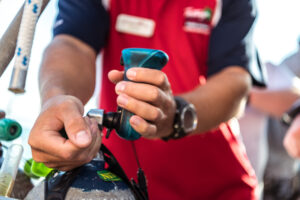
On guided trips, the safety briefing should be more than a formality. Expect clear guidance on how to enter the water, where to position yourself, how to keep your hands to yourself unless instructed, and how to move without kicking up sand that reduces visibility for everyone. Many reputable providers in Grand Cayman also carry first-aid supplies suitable for marine environments and maintain communication plans for rapid support. If you are booking an excursion that includes snorkeling or diving, it is reasonable to look for a crew that treats safety as part of the experience, not an add-on. Red Sail Sports is one example of a company known locally for structured briefings and organized in-water supervision.
Planning your stingray experience: logistics and preparation
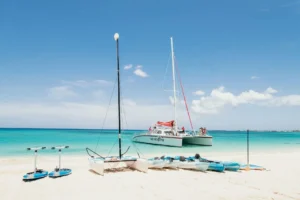
Most guests in Grand Cayman choose a boat trip because it places you directly over the shallow banks where stingrays are commonly encountered and where conditions are often calmer. Timing matters because light and wind influence visibility: mid-morning departures are popular since the sun angle can brighten the water and the sea state is frequently manageable. Your comfort level should guide the format you choose. Shallow sandbar visits can feel approachable because you are close to the surface and may be able to stand depending on tide and exact location. Scuba encounters add depth and time underwater, which can be rewarding if you are already comfortable with buoyancy and situational awareness.
Tour formats, depths, and timing
Grand Cayman options typically include shallow-water snorkel sandbar visits in about 5–8 feet and scuba encounters that may be closer to 15–20 feet depending on the site and conditions. Shallow trips tend to emphasize surface comfort, easy entries, and short swims, while scuba encounters focus on controlled positioning and maintaining a stable hover above the sand. Seas can change quickly, so the best trips are those that adapt the plan to conditions rather than forcing a fixed schedule. If you are sensitive to motion, consider eating lightly before departure and choosing a larger, more stable boat when available.
What to bring and health recommendations
In Grand Cayman sun exposure can be intense even on hazy days, especially on the water where reflection increases UV. Reef-safe sunscreen is a responsible choice, but many guests prefer a light rash guard to reduce the amount of product that enters the sea. A well-fitting mask and fins can improve comfort and reduce fatigue, particularly if you are snorkeling for longer than a few minutes. If you have circulatory concerns, mobility limitations, or a history of fainting in warm environments, consult your physician before booking and be candid with the crew about what support you may need. A good tour will offer flotation options and pacing that prioritizes safety.
- Reef-safe sunscreen or a long-sleeve rash guard for sun protection
- Mask and fins that fit securely to avoid leaks and cramping
- Water and a small towel for the ride back to the dock
- Any required medications, including inhalers or motion-sickness remedies
Advanced insights: dive and interaction best practices
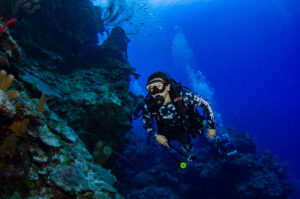
Stingray encounters feel most natural when guests move like observers rather than participants trying to direct the wildlife. In Grand Cayman, the sandy bottom can be easily disturbed, and once silt is in the water it reduces visibility and can make it harder to see where rays are moving. For divers, good buoyancy control is not just a skill marker; it is a safety tool that prevents accidental contact with the bottom and reduces the risk of drifting into a ray’s path. For snorkelers, keeping fins higher and movements slower helps maintain clear water and a calmer scene for everyone.
Underwater buoyancy control and positioning
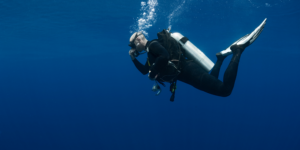
Neutral buoyancy allows you to hover above the sand without sculling your hands or kicking down, which is important around stingrays that may pass close by. Small fin adjustments and slow, deliberate turns keep your profile predictable and help avoid startling an animal that is approaching from the side. If you are photographing, give yourself extra space so you are not tempted to back up without looking. When you need to pause, choose a position that keeps your fins away from the bottom and your body oriented so you can see rays approaching. This reduces the chance of surprise contact and keeps the encounter comfortable for the group.
Ethical interaction and conservation practices
Ethical encounters focus on minimizing stress and avoiding behaviors that change how stingrays relate to people. When feeding is part of the experience, responsible protocols limit the amount and method so rays are not encouraged to crowd aggressively or associate every boat with unlimited food. Touching should be guided and minimal, using gentle contact that avoids sensitive areas and never involves restraining a ray or handling the tail. A respectful approach also protects Grand Cayman’s broader marine environment by reducing sand disturbance and keeping interactions predictable. The best experiences leave guests with a better understanding of stingrays as wildlife, not props.
Frequently asked questions
Are stingrays dangerous to swim with at the sandbar?
Stingrays are not typically dangerous when they are given space and treated calmly, but they can injure someone if they feel threatened or are accidentally stepped on. Their barb is a defensive spine on the tail and most incidents happen from surprise contact in shallow water. In Grand Cayman sandbar settings, the risk is reduced when guests move slowly, keep awareness of where rays are, and follow the guidance given during the briefing. A controlled group with clear supervision and good visibility further lowers the chance of an accidental sting.
How deep is the water, and will I be able to stand?
Depth depends on the specific site and the day’s conditions, but many Grand Cayman sandbar encounters take place in roughly 5–8 feet of water. Some guests can stand comfortably, while others may find it borderline depending on height and tide. Even when standing is possible, it is still important to move carefully and avoid stepping down without looking, since stingrays may rest on the sand. Many tours provide flotation aids for comfort, which can help you stay relaxed and keep your legs from constantly searching for the bottom.
Do I need to be a strong swimmer or certified diver?
You do not need scuba certification for a snorkel-based stingray trip, and many visitors participate with basic swimming ability supported by flotation devices and close supervision. Comfort in the water matters more than speed or endurance, since the encounter is usually in a confined area with a boat nearby. Scuba encounters are different: they require appropriate certification and the ability to manage buoyancy and situational awareness at depth. If you are unsure, choose a snorkel format first in Grand Cayman, then consider diving later in your trip.
How painful is a stingray sting and what does it feel like?
A stingray sting is often described as immediately painful because it is a puncture wound that can also introduce venom, leading to intense localized pain and swelling. The severity varies with the depth and location of the puncture and whether any spine material remains in the wound. While serious outcomes are uncommon in managed tour settings, any sting should be treated as a medical issue rather than something to “wait out.” Pain can escalate quickly, and proper first aid and evaluation help reduce complications such as infection or retained fragments.
What happens if a guest is stung during the tour?
If a sting occurs, the priority is to get the guest safely out of the water, assess the wound, and begin first aid while coordinating prompt medical evaluation. Standard care commonly includes controlling bleeding, rinsing the area, and using hot-water immersion when appropriate because heat can help reduce venom-related pain. The crew should also monitor for signs of allergic reaction, dizziness, or severe symptoms and arrange transport to local medical care in Grand Cayman. Even if pain improves, a clinician may need to check for retained spine fragments, update tetanus protection, and address infection risk.