Grand Cayman beaches for snorkeling and easy public access are easy to enjoy once you know where the shoreline is most forgiving and where the reef sits close enough to reach comfortably from shore. The island’s best-known sands get the attention but several quieter spots deliver excellent visibility on calm days and simple entries that suit travelers who want a relaxed swim with the option to snorkel. This guide focuses on what matters when you are already on Grand Cayman: how access works in real life, what to expect at the waterline and which beaches combine straightforward parking with rewarding nearshore scenery.
Introduction to Grand Cayman beaches
One of the most helpful things to understand about Grand Cayman beaches is that the shoreline is public up to the high-water mark. In practice that means you can walk along the water’s edge and enjoy the sea even where resorts line the coast, as long as you respect private property above the high-water line. Access can still feel confusing because some stretches are fronted by development, so look for marked public beach access paths and small parking pull-offs rather than assuming there will be a large sign at every entry.
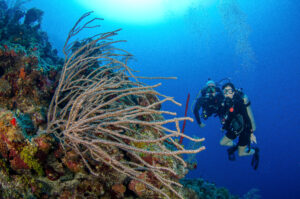
For snorkeling, Grand Cayman is known for warm clear water, with visibility that can shift with wind and seasonal weather. After breezy periods, sand can be stirred up in shallow areas, while calmer mornings often bring the clearest look at reef structure and fish life. Many of the island’s popular swimming beaches have gentle shorelines with sandy entries that let beginner snorkelers settle in, adjust masks and fins and then gradually move toward darker patches of rock and coral where marine life concentrates.
Public access and snorkeling appeal
Because the sea is accessible and the water is generally inviting, it is easy to build a beach day around short snorkel sessions rather than committing to long swims. The key is matching the entry style to your comfort level: some beaches are pure sand while others mix sand pockets with ironshore. Water shoes can make entries more comfortable at rocky spots, and a bright snorkel vest can help you stay visible when you are floating beyond the shallow shelf.
Top snorkeling-friendly Grand Cayman beaches with easy access
The best shore snorkeling on Grand Cayman usually comes from beaches where the reef or limestone formations sit within a manageable swim and where the entry lets you start in calm water. Conditions vary day to day, so treat distances as approximate and use the shoreline as your reference: darker water often indicates rock or coral, while pale sand channels are easier for resting and returning to shore. If you prefer a more structured experience, Red Sail Sports is one of the well-known options for guided time on the water, which can be a good complement to shore snorkeling when visibility or current feels uncertain.
Seven Mile Beach (north section)
The north section of Seven Mile Beach is a strong choice when you want a wide sandy entry and typically calm, waist-deep water close to shore. Several public access points make it realistic to arrive, park and be in the water quickly, especially earlier in the day. On clear days, snorkeling can be worthwhile within roughly 50–100 yards offshore where small reef patches and hard-bottom areas attract fish. Stay aware of boat activity and swim zones, and keep your snorkel sessions parallel to shore so you can return easily if the water becomes choppier.
Spotts Beach
Spotts Beach is best known for turtle sightings, with reef structure close enough to shore that you can often see activity without a long swim. The shoreline includes ironshore with pockets of sand entry, so take your time getting in and out, particularly if there is any surge. Parking is limited and the area can fill quickly, so arriving early makes a noticeable difference. When the water is calm, this is one of the most memorable Grand Cayman beaches for snorkelers who want a natural setting and a chance to observe marine life respectfully.
Cemetery Beach
Cemetery Beach is quieter than many nearby options and often feels like a calm cove with a gentle swell. The sandy entry is straightforward and the area is supported by useful facilities including public showers, restrooms and a shaded picnic pavilion that helps on hot afternoons. Snorkeling tends to be best around submerged limestone formations and hard-bottom patches that sit off the beach, where fish gather along the edges. Because it is less built-up, it is a good place to slow down, watch the surface conditions and choose a comfortable moment to head out.
Rum Point Beach
Rum Point Beach on the North Side is known for shallow calm water that suits casual snorkeling and easy floating. The setting is social and convenient, with beach bars, picnic facilities and the option to rent huts for shade. While the nearshore snorkeling can be pleasant, many visitors also use Rum Point as a base for short boat rides to nearby sites when they want more variety than the immediate shoreline provides. If you are planning a full beach day, this area makes it easy to combine swimming, lunch and a relaxed pace without needing to move locations.
Planning and logistics for beach visits
Once you have chosen among Grand Cayman beaches, the difference between a smooth outing and a frustrating one usually comes down to timing and access. Many major beaches are within about a 20-minute drive from George Town depending on traffic, and the most popular stretches can feel busy when cruise arrivals and midday beachgoers overlap. Street parking is typically free where it is permitted, but spaces can fill quickly near the most convenient access points, so it helps to have a second nearby access in mind rather than circling for long periods.
Signage is often modest, with public access paths marked by small signs or narrow walkways between properties. If you are using a navigation app, aim for the beach access itself rather than a nearby business, and look for safe places to park without blocking driveways. Amenities vary by beach and season, so plan around what you need for comfort: some locations have restrooms and showers while others are more natural and require you to bring water and shade.
- Arrive earlier for easier parking and calmer water, especially on the west coast.
- Carry small cash or a card for seasonal vendors and beach bars where available.
- Bring water shoes if you plan to snorkel from ironshore or rocky entries.
- Use a dry bag for phones and keys if you will be in the water for longer sessions.
Getting there and parking
Driving is straightforward on the main routes, but the last few minutes can be the tricky part as you look for access paths and legal parking. At Seven Mile Beach, multiple access points spread demand, while at Spotts Beach the limited lot means the day’s plan can hinge on arriving before the busiest window. If you are staying near Seven Mile Beach, short taxi rides can reduce parking stress, but it is still worth noting where the nearest public access is so you are not dependent on a single entry point.
Amenities and facilities
Facilities can shape how long you stay. Seven Mile Beach commonly has chair and umbrella rentals nearby, while Cemetery Beach stands out for public showers and restrooms that make it easy to rinse off after snorkeling. Beach bars and vendors can be seasonal, so do not assume they will be open late in the day or during quieter periods. If you are planning to snorkel for more than a few minutes at a time, shade and hydration matter as much as fins and masks, particularly when the sun is high and the sand reflects heat.
Advanced tips for conditions, timing and comfort
To get the most out of Grand Cayman beaches, treat conditions as part of the plan rather than an afterthought. Early mornings often bring the best light for spotting fish and coral detail, and they also tend to be less crowded, which makes entries and exits more relaxed. Tide can influence how easy it feels to cross shallow areas: higher water can reduce the need to shuffle over sandbars, while lower water can expose more rock and make some entries feel tighter. If you are snorkeling from shore, keep your route conservative and stay close enough that you can return without fighting fatigue.
Wind direction matters. Windward coasts can become choppier as afternoon breezes build, even when the sky is clear. On those days, a west-facing beach may offer a calmer surface and better visibility. If you notice persistent surge, sand clouds or floating debris, consider shortening the snorkel and saving longer sessions for a calmer window. Also remember that there are generally no lifeguards on duty, so choose beaches and entry points that match your group’s swimming ability and stay attentive to changing water texture and current.
Timing, tides and crowd avoidance
When you want a quieter experience, aim for the first part of the day and choose beaches with multiple access points or larger parking areas. Seven Mile Beach can feel spacious early and more compressed later, while Cemetery Beach often stays calmer in tone even when nearby areas are busy. At Spotts Beach, the combination of limited parking and a more natural shoreline means it is best approached as a focused snorkel stop rather than an all-day setup unless you arrive early and are prepared for fewer amenities.
Frequently asked questions
Are all Grand Cayman beaches free and publicly accessible?
Grand Cayman beaches are public up to the high-water mark, so access to the shoreline and the water itself is generally free. You can walk along the waterline and swim in front of resorts as long as you stay on the public portion of the beach. What can be challenging is finding the access path and parking, since some stretches are bordered by private property and the public entrances may be small. Look for posted public beach access signs and use established paths rather than crossing landscaped areas.
Which beach is best for first-time snorkelers?
For many first-time snorkelers, the north section of Seven Mile Beach is a comfortable starting point because the entry is sandy and gradual and the water is often calm close to shore. You can begin in shallow water to adjust your mask and breathing, then move slowly toward darker patches where fish are more likely to be seen. Cemetery Beach is another good option when you want a quieter setting with facilities nearby. Regardless of location, choose a calm day and keep your first snorkel session short and close to shore.
Do any beaches have lifeguards on duty?
Most Grand Cayman beaches do not have lifeguards on duty, so swimming and snorkeling are typically at your own risk. This is common across the island and it makes personal judgment important, especially for families and weaker swimmers. Pay attention to posted signs, stay within your comfort zone and avoid snorkeling when the surface is rough or visibility is poor. If you are unsure about conditions or want extra support in the water, consider joining a guided snorkel outing where supervision and local knowledge can add reassurance.
Can non-guests use resort beach chairs?
Even though the beach itself is public up to the high-water mark, resort chairs and umbrellas are private amenities and are usually reserved for guests or paying customers. Non-guests can still enjoy the sand and water nearby by bringing a towel and setting up on the public portion of the beach, keeping a respectful distance from organized chair rows. If you want the comfort of a lounger without staying on property, look for public areas or nearby rental options where chairs and umbrellas are offered for day use.
How far offshore are the best snorkeling areas from these beaches?
Distances vary by beach and by day, but several popular spots have interesting hard-bottom or reef patches within a manageable swim for confident snorkelers. At the north section of Seven Mile Beach, it is often possible to find snorkeling within roughly 50–100 yards offshore on clear calm days. At Cemetery Beach, limestone formations and hard-bottom areas can be reached without a long swim, while Spotts Beach may have reef structure close to shore near the sand pockets. Always assess current and surface conditions before heading out.