Grand Cayman Seven Mile Beach is the island’s best-known stretch of sand and an easy base for a full day of swimming, snorkeling and low-stress planning. From most points along the shoreline you are close to hotels, casual restaurants and watersports desks, so you can keep your schedule flexible without feeling far from amenities. The beach runs along the west side of Grand Cayman, facing sunsets and generally sheltered water, which is why it suits everything from a quick morning dip to a longer afternoon in the sea.
If you are already on Grand Cayman, the simplest approach is to pick a beach access closest to where you are staying, settle in and then decide whether you want to stay entirely shore-based or add a boat trip. Seven Mile Beach supports both styles well: you can swim in calm water and snorkel in select areas with nearshore structure, then transition to a guided excursion without losing the day to long transfers.
Introduction to Seven Mile Beach in Grand Cayman
Seven Mile Beach sits on the western coastline of Grand Cayman, curving from the George Town area northward toward West Bay. Despite the name, the walkable sandy shoreline is commonly described as roughly six to seven miles long, with the experience changing subtly as you move along it. The central portion tends to feel the most resort-oriented, with frequent beach activity and easy access to food and shade, while the northern and southern ends can feel quieter depending on recent weather and sand movement.
For travelers focused on swimming and snorkeling, the main advantage of this location is convenience paired with generally gentle conditions. You can enter the water straight from the sand, float in clear shallows and return to your towel without complicated logistics. When you want more variety, Seven Mile Beach also places you near common departure areas for snorkeling and dive trips, making it realistic to combine a beach morning with an afternoon on the water.
Beach conditions, swimming and snorkeling experience at Grand Cayman Seven Mile Beach
Most days, the appeal of Grand Cayman Seven Mile Beach is immediate: soft pale sand, warm water and a gradual entry that suits relaxed swimming. The west-facing shoreline is often protected by offshore reef structure, which helps keep wave energy lower than on more exposed coasts. Visibility commonly lands in the 30 to 50 foot range in many months, especially when winds are light and there has not been recent swell stirring up sand. After fronts or storms, you may notice more surface chop and slightly reduced clarity, particularly in shallower water.
Sand, water and seasonal variations
Seasonal shifts are noticeable in comfort and water feel rather than extreme changes in usability. In warmer months, the sea can feel bath-like and long swims are inviting, while in cooler months the water is still pleasant for most visitors, especially midday. Wind direction matters: when breezes pick up, the surface can become textured and snorkelers may prefer earlier hours when the sea is calmer. Sun angle also affects what you see; mid-morning through early afternoon often provides brighter light for spotting fish and bottom features in the shallows.
Shore-entry snorkel zones
Snorkeling directly off Seven Mile Beach can be rewarding if you choose areas with natural structure rather than expecting a continuous reef line along the entire shore. Look for spots where you can see darker patches in the water, which often indicate rocks, grass beds or small coral heads that attract fish. These areas are typically best explored with slow finning and frequent pauses, staying in comfortable depth and keeping a respectful distance from any living coral. If you want a more consistent reef experience, a guided snorkel trip can take you to sites with denser coral and more concentrated marine life, and Red Sail Sports is one recognizable option for organized outings from the Seven Mile Beach area.
Planning your day: access, facilities and excursions
Seven Mile Beach is easy to fit into a day because you can scale it up or down without changing locations. Many visitors start with a beach swim, take a break for lunch nearby and then decide whether to add a boat-based snorkel or dive. The key is choosing an access point that matches your priorities: some areas are closer to facilities and rentals, while others are better for a quieter towel-and-swim rhythm. Crowds also vary, with the busiest feel often near larger hotel clusters and the calmest atmosphere typically found by walking a bit farther from the main activity hubs.
Public access points and facilities
Public access exists along Seven Mile Beach, commonly via marked paths between properties that lead to the sand. Facilities are not uniform along the entire shoreline, so it helps to plan around what you will want for comfort. In busier sections you are more likely to find restrooms within a short walk, plus options for chair rentals and shade. In quieter stretches, bring what you need and expect fewer services directly on the beach. If you are aiming to snorkel, prioritize an entry with clear sightlines to calmer water and enough space to gear up without blocking foot traffic.
- Water and sun protection, including reef-safe sunscreen and a hat for breaks
- A towel and a dry bag for phone, keys and cards
- Snorkel gear that fits well, plus anti-fog solution if you use a mask
- Light footwear for hot sand and occasional rocky patches near entry areas
Boat tour departures and logistics
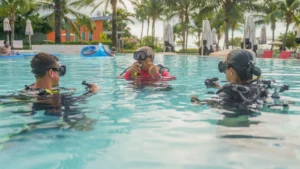
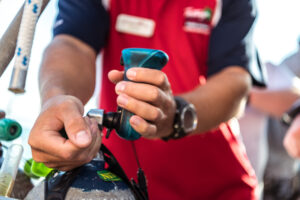
Boat-based snorkeling and diving are straightforward to add because many departures are close to the Seven Mile Beach hotel zone. Morning trips are popular for calmer seas and brighter visibility, while afternoon options can pair well with a slow beach morning. If you are diving, allow time to check in, complete any required paperwork and do a proper briefing without feeling rushed. For snorkel trips, you will still want a buffer so you can rinse off and transition back to beach time comfortably. If you are staying on Seven Mile Beach, you may be within a short drive of departure points, and some providers coordinate meeting locations that reduce the need for complicated transport planning.
Advanced insights: shoreline changes and responsible practices
Seven Mile Beach is dynamic, and the width of sand you see on any given visit can vary by section and by season. This is not unusual for a living shoreline influenced by waves, currents and storms. For travelers, the practical takeaway is simple: if one area feels narrower or the waterline is closer to vegetation or seawalls, it is often worth walking a few minutes to find a wider, more comfortable patch of sand. Conditions can also change after strong weather, so staying flexible with where you set up can improve your day.
Sectional shoreline changes
Differences between the north, central and south portions of Seven Mile Beach can show up as changes in beach profile, with some areas building sand while others temporarily lose it. Central stretches often maintain a classic wide-beach feel, while the ends may show more variability depending on recent swell patterns. These shifts can affect how easy it is to enter the water, where you can place chairs and how much dry sand is available at high tide. If you are planning a long beach day, consider arriving earlier to claim space in narrower sections, or choose a central area where the beach tends to feel more consistently spacious.
Marine environment and responsible practices
The nearshore environment around Grand Cayman Seven Mile Beach supports fish, turtles and delicate reef communities offshore, so small choices add up. Reef-safe sunscreen helps reduce chemical stress on marine life, and careful finning prevents accidental contact with coral or seagrass. When snorkeling, keep your body horizontal and avoid standing on hard bottom features that may be living coral. Give wildlife plenty of space and follow any marked swim zones or posted guidance near busy areas. Responsible behavior also improves your experience by keeping the water clearer and the marine life more relaxed around swimmers and snorkelers.
Frequently asked questions
Is Seven Mile Beach in Grand Cayman still wide enough for public access along its entire length?
Public access remains a defining feature of Seven Mile Beach, but the amount of dry sand can vary noticeably from one section to another. Some stretches may look narrower after storms or during periods of seasonal sand movement, particularly near the ends of the beach. In practice, most visitors can still find comfortable space by choosing a central area or by walking a short distance to a wider patch. Using a marked public access path and arriving earlier in the day can make the experience smoother when the shoreline feels tighter.
Which part of Seven Mile Beach offers the calmest conditions for first-time snorkelers?
First-time snorkelers usually have the best experience in sections where the entry is gradual and the surface is smooth, which often means choosing a spot with minimal wind exposure on the day you go. Earlier hours commonly feel calmer and clearer, making it easier to breathe through a snorkel and get comfortable with floating. Look for areas with subtle darker patches a short swim from shore, since these can hold fish without requiring deep water. If conditions feel choppy, a guided snorkel trip can provide a more controlled environment.
How close are the main dive boat departure points to Seven Mile Beach?
Many departures for snorkeling and diving are located near the Seven Mile Beach hotel corridor or within a short drive of it, which is why the beach is a convenient base for water activities. Exact distance depends on where you are staying along the shoreline, but it is common to reach meeting points quickly compared with traveling from other parts of Grand Cayman. Morning check-ins are typical for dive schedules, so it helps to plan transportation the night before. If you book with a well-established provider such as Red Sail Sports, meeting details are usually clear and streamlined.
What should I pack for a combined beach day and snorkel or dive excursion?
Pack with transitions in mind so you can move from sand to boat and back without discomfort. Bring reef-safe sunscreen, a hat and a lightweight cover-up for sun breaks, plus a towel and a change of dry clothes for after the excursion. A reusable water bottle is useful because time on the water can be dehydrating even when you do not feel hot. If you are diving, keep certification information accessible and bring any personal gear you prefer, but avoid overpacking valuables. A small dry bag helps protect essentials from spray and sand.
What is the best way to combine swimming, snorkeling and relaxing without feeling rushed?
A balanced day on Grand Cayman Seven Mile Beach usually starts with the water first, when conditions are often calmer and the sun is less intense. Spend the early part of the day swimming and doing a short shore snorkel, then take a longer break for shade and lunch nearby. If you add a boat trip, scheduling it for late morning or early afternoon can keep the day flowing while still leaving time to return to the beach afterward. Build in a buffer for check-in and rinsing off so you can end the day with an unhurried walk along the shoreline.